


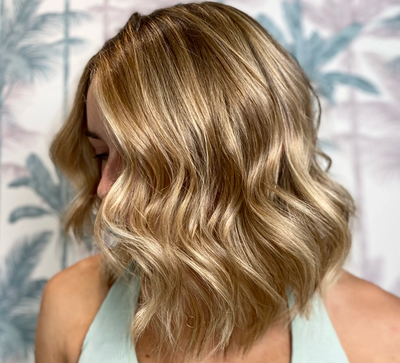
Keratin Treatment for Blonde, Highlighted & Balayage Hair: Keep It Smooth Without Losing Your Tone
KERATIN TREATMENT on 16th Oct 2026
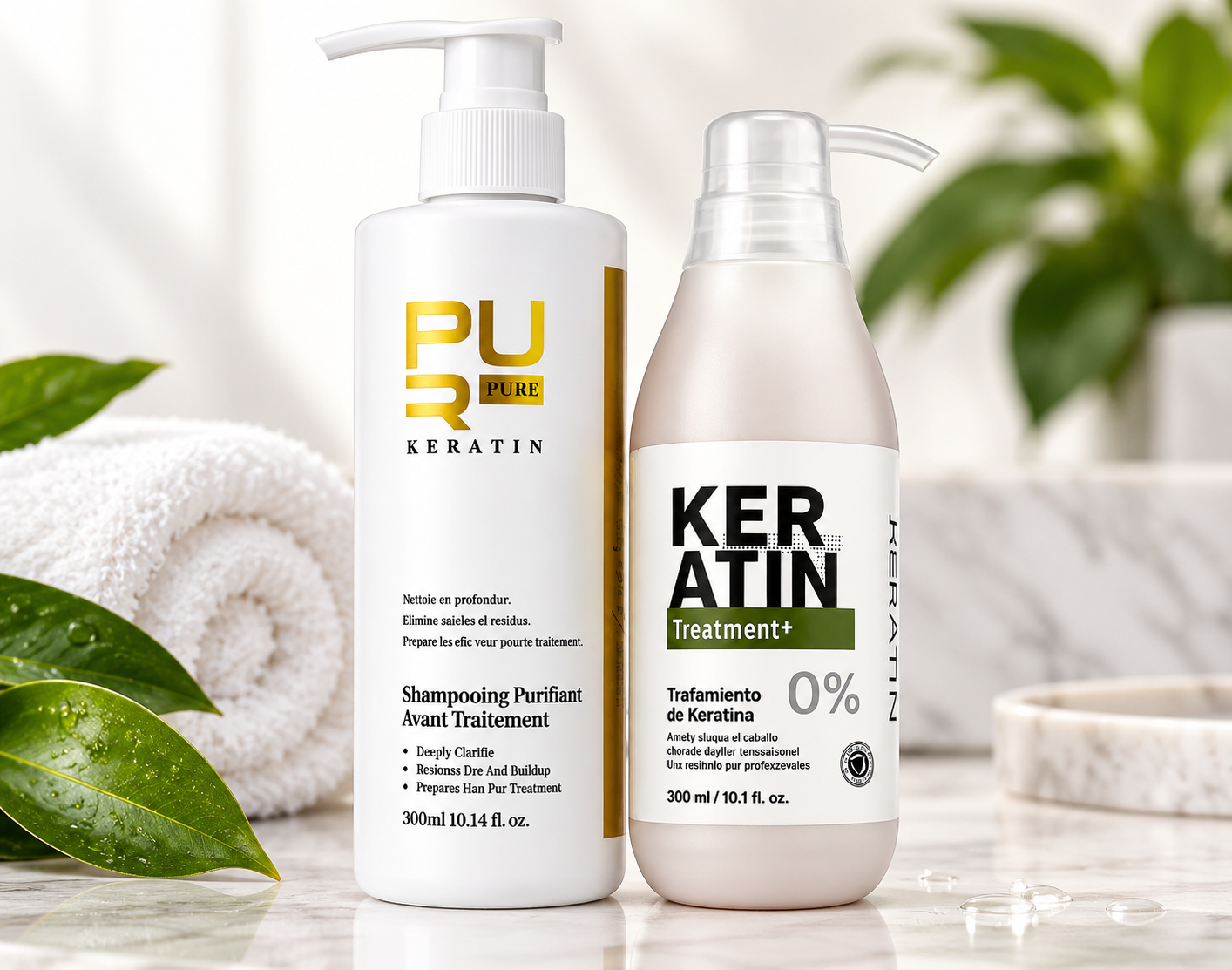
Keratin Treatment for Blonde, Highlighted & Balayage Hair: Keep It Smooth Without Losing Your Tone
Yes, blonde, highlighted and balayage hair can have a keratin treatment, but chemically lightened hair requires more careful product selection, temperature control and processing than untreated hair. The goal is to reduce frizz and improve smoothness without unnecessarily increasing brassiness, fading toner or placing excessive stress on porous blonde sections.
Can You Get a Keratin Treatment on Blonde, Highlighted or Balayage Hair?
Yes. Keratin treatments can be used on many types of blonde, highlighted and balayage hair when the formula is appropriate for color-treated hair and the hair remains strong enough for the required processing and heat.
The greatest caution is needed with bleached, platinum, repeatedly highlighted or highly porous hair. These sections may tolerate less heat than natural hair and may be more vulnerable to dryness, breakage or visible tone changes.
For the best result, assess the condition of the hair first, follow the instructions for the specific keratin system, use appropriate heat, perform a strand test when necessary and protect the blonde with compatible aftercare.
Key Takeaways
- Natural blonde and bleached blonde hair are not the same. Bleached hair is usually more porous and requires additional caution.
- Keratin does not automatically turn blonde hair yellow or orange. However, excessive heat, porous hair, toner changes or an unsuitable formula can make blonde appear warmer.
- Highlighted and balayage hair may contain several different levels of porosity on the same head.
- Flat-iron temperature matters. The lightest sections should not automatically be treated exactly like stronger untreated hair.
- There is no universal rule saying keratin must always be performed before or after balayage. Follow the instructions for the individual smoothing system and consider the condition of the hair.
- Purple shampoo can be used after many keratin treatments once normal washing is permitted, but it should be used according to the needs of the blonde rather than excessively.
- A strand test is especially valuable on heavily bleached, highlighted or porous hair.
Is Keratin Treatment Good for Blonde Hair?
A keratin treatment can be an excellent option for blonde hair when the formula and technique are appropriate for the hair's condition.
For suitable blonde hair, keratin smoothing may help:
- Reduce frizz and flyaways
- Make porous lengths feel smoother
- Increase visible shine
- Reduce daily blow-drying and styling time
- Improve manageability in humid conditions
- Create a more polished finish on highlights and balayage
However, bleached blonde hair needs additional caution. Hair that feels gummy when wet, stretches excessively, snaps easily or has significant bleach-related breakage may not be ready for another service involving processing and repeated heat.
Natural Blonde vs. Bleached Blonde Hair: Why the Difference Matters
The word blonde describes a hair color, but it does not describe the condition of the hair.
A person with naturally blonde, untreated hair may have relatively strong strands, while platinum blonde hair may have undergone several rounds of chemical lightening. Highlights and balayage create another situation because processed and unprocessed sections can exist side by side.
| Hair Type | Typical Condition | Keratin Consideration |
|---|---|---|
| Natural blonde | No lightening damage | Assess texture, strand thickness, dryness and overall condition |
| Highlighted hair | Selected strands chemically lightened | Protect the lightest and most porous sections |
| Balayage | Combination of natural and lightened sections | Different areas may tolerate heat differently |
| Platinum or double-process blonde | Hair extensively lightened throughout | Requires the most conservative assessment |
This distinction matters because a keratin formula appropriate for natural blonde hair is not automatically the correct choice for heavily bleached hair.
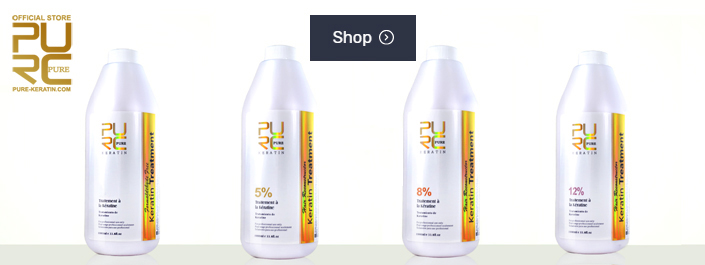
For example, the Pure Keratin 5% Formula for Natural Blonde Hair is specifically positioned for natural blonde hair. If your hair has been substantially highlighted, bleached or balayaged, choose according to the actual chemical history and condition of the hair rather than its color alone.
Can a Keratin Treatment Turn Blonde Hair Yellow or Brassy?
A keratin treatment can sometimes make blonde hair appear warmer, but brassiness is not an unavoidable result of keratin smoothing.
A yellow, golden, orange or warmer-looking shift may be associated with several factors:
- Flat-iron temperature that is too high for the condition of the hair
- Too many flat-iron passes over fragile lightened sections
- A smoothing formula that is not appropriate for the hair
- Highly porous blonde hair
- Existing toner changing or fading during the service
- Mineral or styling-product buildup
- The underlying warm pigments exposed during previous lightening
The important distinction is that keratin itself should not be treated as synonymous with brassiness. The final result depends on the smoothing formula, processing method, heat exposure, existing toner and condition of the blonde.
Why Heat Control Is So Important for Highlighted and Balayage Hair
Balayage and highlighted hair can contain several different levels of porosity on the same head.
A darker natural root may remain relatively strong and untreated, while a pale face-framing section may have undergone several previous lightening sessions.
Those two areas should not automatically be assumed to have identical heat tolerance.
Repeated high-temperature passes can create additional stress on already compromised hair. This makes proper temperature control especially important when performing a keratin treatment on bleached or highlighted sections.
See our detailed keratin flat-iron temperature guide for more information about adjusting heat according to hair type and condition.
Always follow the directions supplied with the specific keratin product being used. Do not select a flat-iron temperature simply because another smoothing treatment uses that setting.
Keratin Treatment Before or After Highlights and Balayage?
There is no single before-or-after rule that applies to every keratin smoothing system.
Different formulas have different directions and compatibility requirements. Hair condition, color history and manufacturer instructions should determine how the services are scheduled.
1. Freshly Bleached Hair May Need Recovery Time
If balayage, highlights or bleach have left the hair unusually dry, stretchy, fragile or prone to breakage, immediately adding another treatment involving repeated heat may create unnecessary stress.
The condition of the hair should determine the schedule—not simply convenience.
2. Keratin Can Sometimes Affect the Appearance of Toner
Blonde toners are used to refine warmth and create shades such as ash, beige, pearl, icy or champagne blonde.
Because a smoothing service usually involves heat and extensive styling, some people notice that their toner looks different afterward.
When tone preservation is a major concern, one possible strategy with compatible systems is to complete the smoothing treatment first and perform final toning afterward. This allows the colorist to evaluate the post-treatment blonde before making the final color adjustment.
However, this is not a universal requirement. Always follow the instructions for the actual keratin system and hair-color products being used.
3. Avoid Stacking Aggressive Services on Compromised Hair
Hair that is already breaking from repeated bleaching should not be treated as though it were strong virgin hair.
If the blonde shows clear signs of structural weakness, repair and recovery may be more important than immediately adding another cosmetic service.
What About Keratin Before a Balayage Appointment?
Performing a compatible keratin service before balayage can have a practical advantage: if the smoothing treatment causes a visible shift in tone, the colorist can see the final result before completing the final balayage tone.
However, your colorist needs to know which smoothing treatment was used and when it was performed.
When different professionals perform your keratin and color services, make sure both understand your recent chemical history before treatment begins.
What About Keratin After Balayage?
Keratin can also be performed after balayage when the smoothing system permits it and the hair remains in suitable condition.
Before proceeding, evaluate:
- How extensively the hair was lightened
- Whether the same sections have been bleached repeatedly
- Elasticity when the hair is wet
- Existing breakage
- Porosity of the palest sections
- Overall dryness
- How recently the balayage was performed
If the hair looks attractive but feels structurally weak, maintaining hair integrity should take priority over immediately adding another service.
Do a Strand Test Before Keratin on Bleached Hair
A strand test is one of the most useful precautions for heavily highlighted, balayaged, platinum or bleached hair.
Test a discreet section that includes some of the lightest or most processed hair and follow the directions for the specific treatment.
Evaluate the strand for:
- Color or tone change
- Elasticity
- Dryness
- Breakage
- Texture after heat
- Overall strength
If the test section becomes noticeably warmer, brittle, excessively dry or weak, do not simply continue the same process across the entire head.
Should a Keratin Treatment for Blonde Hair Contain Purple Pigment?
Violet pigments are commonly used in blonde hair care because purple visually counteracts yellow tones.
Some smoothing systems designed for blonde hair therefore include violet or purple pigments.
However, purple pigment alone does not prove that a keratin treatment is appropriate for bleached hair.
You still need to evaluate:
- The smoothing chemistry
- The condition and strength of the hair
- Processing time
- Required flat-iron temperature
- Number of passes
- Manufacturer recommendations for color-treated hair
Very porous blonde hair may also absorb toning pigments unevenly, meaning the palest or most damaged sections can sometimes appear more violet, gray or dull than stronger sections.
Can You Use Purple Shampoo After a Keratin Treatment?
Yes, a compatible purple shampoo can generally be used after a keratin treatment once the treatment instructions allow normal washing.
Purple shampoo can help neutralize unwanted yellow tones in blonde, highlighted, balayage, gray and silver hair.
However, toning shampoos do not need to be used every time the hair is washed.
Very frequent use can leave some porous blonde hair looking dull, overly cool or violet. Depending on the product, frequent toning can also contribute to dryness.
A better approach is to use purple shampoo when the blonde actually needs tonal correction.
Read our complete guide to using purple shampoo after a keratin treatment.
Best Aftercare for Blonde Hair After Keratin Treatment
Aftercare influences both the longevity of a smoothing treatment and the appearance of blonde hair.
Use a Gentle Keratin-Compatible Shampoo
Choose an aftercare shampoo designed to cleanse the hair without unnecessarily stripping the smoothing treatment.
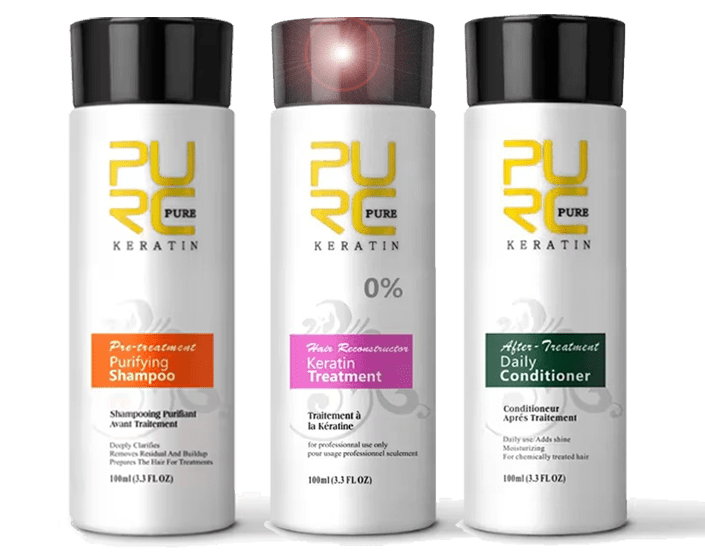
Pure Keratin's After Treatment Shampoo is designed for post-keratin hair care and can be incorporated into a maintenance routine for color-treated hair when appropriate.
Avoid Unnecessary Washing
Keratin smoothing treatments are temporary, and repeated shampooing gradually reduces their effect.
Wash according to the needs of your hair and scalp rather than automatically shampooing every day.
Keep Lightened Lengths Conditioned
Bleached and balayaged areas often need additional conditioning because lightening can increase porosity.
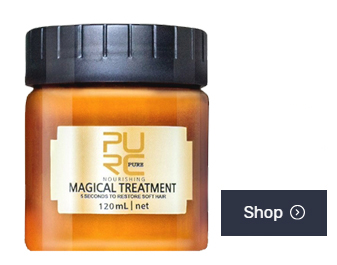
Concentrate a compatible conditioner or mask through the mid-lengths and ends, particularly in sections that feel drier.
Use Purple Shampoo Only When Your Blonde Needs It
If the hair remains bright and neutral, there is no need to continuously deposit violet pigment.
Use toning products strategically when unwanted yellow tones become visible.
Reduce Unnecessary Heat Styling
One advantage of keratin smoothing is easier styling.
Take advantage of improved manageability by reducing unnecessary high-temperature flat-ironing at home, especially on fragile blonde ends.
For additional maintenance advice, read our keratin treatment aftercare guide.
Keratin Treatment Safety: Check the Formula, Not Just the Marketing
Consumers should know which smoothing formula is being used, particularly because many keratin-style treatments are sealed with heat.
The U.S. Food and Drug Administration advises consumers to examine ingredient information and ask whether a hair-smoothing product contains ingredients such as formaldehyde, formalin or methylene glycol.
For authoritative safety information, consult the U.S. Food and Drug Administration guidance on hair-smoothing products and OSHA's hair-salon formaldehyde resources.
If you have previously experienced respiratory, eye, skin or scalp irritation from a smoothing product, discuss your history with an appropriate professional before repeating the service.
When Should You Avoid or Postpone Keratin Treatment on Blonde Hair?
Consider postponing the treatment and reassessing the hair if it:
- Snaps with very little tension
- Feels gummy when wet
- Stretches excessively without returning to shape
- Has significant bleach-related breakage
- Has recently undergone an aggressive color correction
- Responds poorly during a strand test
- Cannot tolerate the heat required by the selected treatment
The objective should be smoother hair without sacrificing the integrity of the blonde.
How to Get Smooth Blonde Hair Without Sacrificing Your Color
For most blonde clients, successful keratin smoothing comes down to five principles:
- Know whether your blonde is natural or chemically lightened.
- Assess porosity, elasticity and previous bleach damage before treatment.
- Use an appropriate formula, temperature, processing time and number of flat-iron passes.
- Strand-test when the hair is heavily highlighted, bleached or otherwise compromised.
- Protect both the smoothing result and blonde tone with appropriate aftercare.
Following these principles makes it possible to pursue the benefits people want from keratin—less frizz, greater shine and easier styling—without treating chemically lightened hair as though it were untouched virgin hair.
Blonde Keratin Treatment Decision Guide
| Hair Situation | Main Concern | Recommended Approach |
|---|---|---|
| Natural blonde, healthy hair | Frizz or manageability | Choose a formula appropriate for the hair type and follow the product directions |
| Healthy highlights | Different porosity between natural and lightened strands | Monitor lightened sections carefully and control heat |
| Balayage | Multiple levels of processing on the same head | Assess the palest sections independently rather than assuming uniform heat tolerance |
| Platinum or repeatedly bleached hair | Breakage and high porosity | Use a conservative approach and perform a strand test before proceeding |
| Fresh toner | Possible tone shift | Check compatibility and discuss service order with the colorist |
| Gummy or snapping bleached hair | Structural weakness | Postpone smoothing and prioritize hair condition |
Why Choose Pure-Keratin.com?
Pure-Keratin.com focuses on keratin smoothing, hair care and maintenance solutions for different hair types, treatment goals and routines.
Customers choose Pure Keratin for:
- More than 30 years of hair-care experience
- A selection of more than 200 hair-care products across treatment and maintenance categories
- Affordable treatment and aftercare options
- Strong customer satisfaction
- Keratin treatments, shampoos, conditioners, masks and maintenance products
Explore Pure-Keratin.com to compare keratin and hair-care options for different hair types and smoothing needs.
If your blonde is bleached, highlighted or balayaged, select your treatment according to the hair's present condition and the instructions for the individual product—not simply because a formula is described as suitable for blonde hair.
Frequently Asked Questions About Keratin Treatments for Blonde Hair
Can you put keratin treatment on highlighted hair?
Yes. Many people with highlighted hair can have a compatible keratin treatment. However, highlighted strands have been chemically lightened and may be more porous and heat-sensitive than the natural hair surrounding them. Formula compatibility, controlled heat and a strand test are especially important if the highlights have been repeatedly bleached.
Is keratin treatment safe for balayage hair?
Keratin treatment can be suitable for balayage hair when the chosen treatment is compatible with color-treated hair and the lightened sections remain in good condition. Because balayage combines natural and bleached areas, different parts of the hair may have different heat tolerance.
Will keratin ruin my blonde highlights?
An appropriate keratin treatment should not automatically ruin blonde highlights. However, the appearance of the blonde can sometimes become warmer after smoothing. Excessive heat, repeated flat-iron passes, high porosity, toner changes and the individual formula can all influence the final result.
Does keratin treatment make blonde hair brassy?
Not necessarily. Some blonde hair may appear warmer or more yellow after treatment, but brassiness is not an unavoidable effect of keratin. Formula selection, existing toner, hair porosity, temperature and processing technique all influence the result.
Can keratin turn blonde hair orange?
Some blonde hair may appear warmer after treatment, particularly when underlying warm tones become more visible. This does not mean every keratin treatment turns blonde hair orange. Proper formula selection, strand testing and heat control can help reduce unwanted tonal changes.
Should I get keratin before or after balayage?
There is no universal rule for every keratin system. Some treatments may be compatible with color before or after smoothing, while recently bleached or compromised hair may require recovery time. If the smoothing service could alter the toner, performing a compatible keratin treatment before final tonal adjustment can sometimes be useful. Always follow the manufacturer's directions for the products involved.
How long after bleaching can I get a keratin treatment?
There is no universal waiting period that guarantees a keratin treatment will be suitable after bleaching. Hair condition matters more than a fixed number of days. Recently lightened hair that remains strong has different needs from repeatedly bleached hair that stretches, breaks or feels gummy. Follow the smoothing product's guidance and assess the hair before proceeding.
What temperature should be used for keratin on blonde hair?
There is no single ideal temperature for every type of blonde hair. Natural blonde hair, fine hair, highlighted hair and heavily bleached platinum hair may tolerate heat differently. Follow the specific keratin treatment instructions and take a conservative approach with chemically compromised sections.
Can I use purple shampoo after keratin?
Yes. Once the individual treatment permits normal washing, a compatible purple shampoo can help neutralize unwanted yellow tones. Use it only as often as needed, particularly when the blonde is highly porous.
Is keratin good for bleached, frizzy hair?
Keratin smoothing can reduce frizz and improve manageability when bleached hair remains strong enough for the treatment. Severely damaged, gummy or breaking hair should generally be reassessed before undergoing another service requiring processing and repeated heat.
Can keratin treatment change balayage color?
It can sometimes change the way balayage looks, particularly if toner shifts or the lightened areas become warmer. The underlying balayage placement normally remains, but the perceived shade can change. Strand testing and appropriate heat control can help identify how the hair is likely to respond.
Can you tone blonde hair after a keratin treatment?
Potentially, yes, but timing depends on the keratin system and the color products being used. Some smoothing treatments have specific rules regarding when hair may be colored or toned afterward. Follow the manufacturer's instructions and make sure the colorist knows which smoothing formula was used.
Bottom Line: Keratin Can Work on Blonde Hair—Technique Matters
You do not necessarily have to choose between smooth hair and beautiful blonde color.
A carefully selected keratin treatment can work with natural blonde, highlighted and balayage hair, but chemically lightened hair requires greater attention to porosity, strength, temperature, processing, service timing and tone.
Before smoothing, identify how processed the hair really is. Strand-test fragile areas when necessary, follow the specific treatment directions and avoid unnecessary heat.
Afterward, protect both the smoothing result and blonde tone with gentle cleansing, appropriate conditioning and targeted toning products when they are actually needed.
Explore Pure-Keratin.com for affordable professional hair-care solutions backed by more than 30 years of experience, strong customer satisfaction and a selection of more than 200 hair-care products for smoothing, maintenance and hair care.