


Fall Hair Shedding or Breakage? How to Tell the Difference After a Keratin Treatment
PURE KERATIN on 17th Nov 2026
Fall Hair Shedding or Breakage? How to Tell the Difference After a Keratin Treatment
Noticing more hair in your brush, shower drain, or on your pillow this fall? If you've recently had a keratin treatment, you may be wondering whether you're experiencing normal seasonal shedding, hair breakage, or actual hair loss.
Quick answer: Hair shedding happens when an entire hair is released from the follicle, often with a small, pale, club-shaped root at one end. Hair breakage happens when the hair shaft snaps, leaving shorter pieces or irregular ends. Autumn changes in the hair growth cycle may contribute to shedding in some people, while excessive heat, chemical processing, and friction may contribute to breakage after a keratin treatment.
The difference matters because shedding and breakage require different approaches. A conditioning treatment may help reduce breakage, but it cannot treat medical causes of hair loss.
Hair Shedding vs. Hair Breakage: What's the Difference?
Although both can make your hair look thinner, shedding and breakage affect different parts of the hair.
What is natural hair shedding?
Hair shedding is part of the normal hair growth cycle. Individual follicles move through growth, transition, rest, and shedding phases.
According to the American Academy of Dermatology, shedding approximately 50 to 100 hairs per day is normal for many people.
Naturally shed hairs are often close to their full original length. One end may have a tiny white or pale bulb, sometimes called a club root. That bulb is part of the shed hair, not evidence that the entire hair follicle has been pulled out.
What is hair breakage after a keratin treatment?
Hair breakage occurs when a hair shaft breaks somewhere along its length rather than being released through its normal growth cycle.
After keratin smoothing, possible contributing factors include excessive flat-iron heat, previously bleached or fragile hair, overlapping chemical services, rough detangling, and repeated friction.
The treatment may temporarily leave hair looking smoother even when some underlying weakness remains.
Hair Shedding vs. Breakage Comparison Chart
| What to Check | Hair Shedding | Hair Breakage |
|---|---|---|
| Hair length | Often a full-length strand | Often shorter, uneven pieces |
| Hair root | May show a pale club-shaped bulb | Usually no root on the broken fragment |
| Ends | Typically an intact hair shaft | May look blunt, frayed, or split |
| Common causes | Hair cycle, stress, illness, hormonal changes | Heat, chemical processing, friction, tension |
| Visible signs | More full strands falling; possible diffuse thinning | Uneven lengths, rough ends, increased flyaways |
| Best next step | Monitor changes and investigate excessive shedding | Reduce damage and improve conditioning |
Important: Hair length and the presence of a white bulb are clues, not foolproof tests. Some naturally shed hairs are short, and broken hairs can be relatively long.
How to Tell if Your Hair Is Shedding or Breaking After Keratin
You can learn a lot by examining several hairs that have already fallen out naturally. There's no need to pull hair from your scalp.
Step 1: Collect a Few Loose Strands
Take several hairs from your brush, pillow, or shower drain and place them on a clean, light-colored surface.
Step 2: Compare Their Lengths
Look at whether most strands are similar in length to your hair or whether you see many unusually short fragments.
A large number of snapped pieces can be a sign of breakage, especially if your ends have become dry or rough.
Step 3: Examine the Ends
Use good lighting or a magnifying glass. A pale, club-shaped root is consistent with a naturally shed telogen hair. A jagged or frayed end without a root may indicate breakage.
Step 4: Check Your Scalp and Hair Texture
Look for changes in scalp visibility, a widening part, tender areas, redness, or irritation. Also note whether your hair has become unusually brittle or difficult to detangle.
Result: Mostly intact strands with club roots suggest shedding. Many irregular fragments suggest breakage. A combination means both may be happening.
These observations help you choose your next step, but they cannot diagnose the underlying cause of hair loss.
Is Fall Hair Shedding Normal? What Science Says
Autumn hair shedding is a frequently discussed phenomenon, but the evidence is more nuanced than the popular claim that everyone loses significantly more hair in fall.
A 2009 study of 823 women identified seasonal changes in hair cycling, with the highest proportion of resting-phase hairs in summer.
Another long-term study of 10 men found that resting-phase hair proportions tended to peak around late summer and early autumn.
These findings support the possibility of seasonal variation. However, they do not establish that every autumn increase in shedding is harmless or that a keratin treatment caused it.
Why might you notice more hair in autumn?
Hair follicles operate on individual cycles. Changes in the proportion of resting hairs may result in more noticeable shedding during certain periods of the year.
Daily grooming also affects what you notice. If you wash less frequently, loose hairs can accumulate and appear together during your next shower.
Seasonal note: In the United States, Canada, and the United Kingdom, autumn generally falls around September through November. In Australia, autumn occurs around March through May.
Regardless of where you live, significant or persistent hair loss deserves attention rather than being automatically attributed to the season.
Why Is My Hair Falling Out After a Keratin Treatment?
Keratin treatments are cosmetic smoothing procedures. Depending on the formula, they can reduce frizz and make hair easier to style.
However, noticing hair loss after a treatment does not automatically establish that the treatment caused it.
1. Excessive Heat May Cause Hair Breakage
Many smoothing procedures involve blow-drying and flat ironing. Excessive heat, particularly on already fragile hair, can weaken hair fibers and contribute to snapping.
If your hair looks smooth near the roots but has brittle ends and short broken pieces, breakage may be part of the problem.
2. Previous Bleaching or Coloring Can Increase Fragility
Hair that has undergone repeated coloring, bleaching, or straightening may be more vulnerable to additional chemical and mechanical stress.
This is why treatment selection should account for hair porosity, previous services, and existing damage.
Read more in our guide to keratin treatment side effects and how to avoid them.
3. Stress, Illness, and Hormonal Changes Can Cause True Shedding
Excessive shedding can occur because of an interruption to the natural hair cycle, sometimes called telogen effluvium.
Potential triggers include illness, childbirth, substantial weight loss, major stress, nutritional deficiencies, thyroid disorders, and certain medications.
According to DermNet, shedding associated with telogen effluvium is often noticed around two to four months after a triggering event.
That means hair shedding noticed after a keratin appointment may be related to something that occurred well before the appointment.
4. Scalp Irritation Requires Separate Attention
Scalp burning, itching, redness, or irritation following a smoothing service should not be dismissed as ordinary seasonal shedding.
The U.S. Food and Drug Administration warns that some smoothing products can release formaldehyde when heated and recommends reviewing ingredients and safety information.
If you experience a reaction, stop using the suspected product and seek appropriate professional advice.
5. Your Keratin Treatment May Simply Be Wearing Off
Returning frizz, waves, or increased styling effort does not necessarily indicate hair breakage.
As the cosmetic smoothing effect diminishes, your natural texture may become more noticeable.
If your hair becomes frizzier but you are not seeing broken pieces, unusual shedding, or loss of density, the change may simply reflect fading treatment results.
For more seasonal styling guidance, see Keratin Treatment in Fall and Winter: Frizz, Flyaways and Static.
Hair Shedding After Keratin: What Does the Timing Tell You?
The timing of the change offers useful context, although it does not prove the cause.
| When You Notice Changes | What to Consider |
|---|---|
| During or soon after treatment | Heat-related breakage, mechanical damage, or scalp irritation |
| Several weeks afterward | Accumulating breakage, styling habits, or an unrelated shedding process |
| Two to four months after a stressful event | Possible telogen effluvium |
| As smoothness gradually fades | Return of natural texture rather than necessarily hair loss |
| Progressive thinning at any time | Seek professional evaluation to identify the cause |
For example, if you underwent keratin smoothing in July and noticed more hair shedding in October, it is worth considering seasonal variation, previous illness or stress, and your treatment history rather than assuming a single explanation.
What to Do If You're Experiencing Shedding or Breakage After Keratin
If You're Experiencing Hair Breakage
The goal is to protect existing hair and reduce further damage.
- Pause unnecessary chemical treatments and repeated straightening.
- Limit high-temperature heat styling and use appropriate heat protection.
- Detangle gently, starting at the ends.
- Use a conditioner that improves slip and reduces friction.
- Consider a moisturizing hair mask when hair feels dry.
- Trim severely split or damaged ends as appropriate.
- Avoid tight hairstyles that put tension on fragile strands.
Conditioning products can temporarily improve the feel, flexibility, and manageability of damaged hair. They do not permanently reconstruct a hair shaft that has already snapped.
For additional guidance, explore How to Care for Hair Damaged by Keratin Treatments or Straightening.
If You're Experiencing Excessive Hair Shedding
Start by looking at your overall health and recent history rather than immediately adding more cosmetic products.
Consider whether you experienced an illness, significant stress, a medication change, childbirth, rapid weight loss, or a dietary change during the previous few months.
A dermatologist or qualified healthcare professional can assess possible causes and recommend appropriate investigations when needed.
Do not assume that vitamins, hair growth serums, or additional keratin treatments will resolve shedding without identifying its cause.
If You're Experiencing Both Shedding and Breakage
Both problems can occur simultaneously.
In that situation, a gentle hair-care routine may help reduce unnecessary damage while a qualified professional assesses persistent or concerning shedding.
Best Keratin Aftercare Routine for Fall Hair Health
Whether you call it fall or autumn, seasonal changes can be a useful reminder to reassess your styling habits and the condition of your hair.
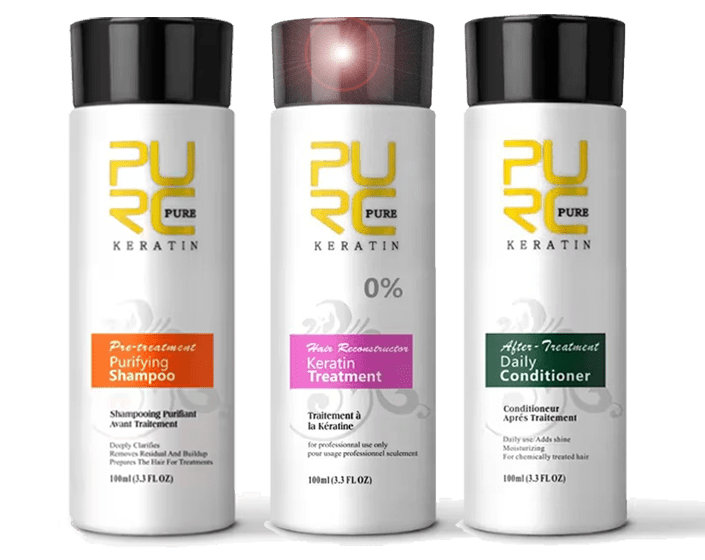
Pure Keratin offers an extensive selection of professional and at-home hair-care products designed for smoothing, conditioning, and maintaining treated hair.
Step 1: Choose a Gentle Aftercare Shampoo
Use a shampoo compatible with your specific smoothing formula and follow the manufacturer's washing instructions.
Explore Pure Keratin shampoos for cleansing and post-treatment maintenance options.
Choosing a suitable cleanser may help maintain cosmetic treatment results. Shampoo alone will not treat medically caused hair shedding.
Step 2: Condition to Reduce Friction and Tangling
After washing, apply conditioner through the lengths and ends as directed.
Conditioning helps improve manageability, which can reduce pulling and damage during detangling.
Step 3: Add a Moisturizing Mask When Needed
If your hair feels rough, dry, or brittle, consider a suitable conditioning mask.
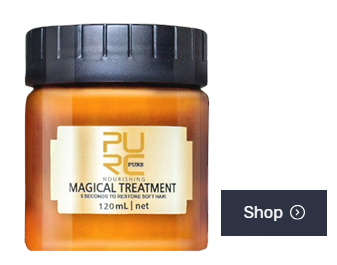
Browse Pure Keratin hair masks for options intended to improve softness and the appearance of damaged strands.
Choose a formula suited to your hair rather than repeatedly layering heavy protein products onto hair that already feels stiff.
Step 4: Protect Fragile Ends
A lightweight leave-in conditioner or appropriate hair oil may improve slip, reduce frizz, and minimize some friction-related damage.
Explore Pure Keratin hair oils for cosmetic shine and finishing care.
Step 5: Avoid Unnecessary Repeat Smoothing Treatments
If your hair is already breaking or your scalp is irritated, prioritize assessment and gentle care before considering another smoothing service.
For a more complete maintenance routine, read Keratin Treatment Aftercare: How to Make It Last 4+ Months.
Why Choose Pure-Keratin.com for Keratin Hair Care?
When caring for keratin-treated hair, the right products and application guidance matter.
With more than 30 years of hair-care experience and a selection of over 200 hair-care products, Pure-Keratin.com offers options for customers seeking professional-quality smoothing and maintenance products at competitive prices.
Our range includes keratin smoothing systems, shampoos, conditioners, hair masks, oils, and complementary aftercare products.
We aim to support customer satisfaction through choice, accessible pricing, and practical education about caring for different hair types.
Importantly, our products are designed for cosmetic hair care. They are not substitutes for medical diagnosis or treatment of excessive hair shedding.
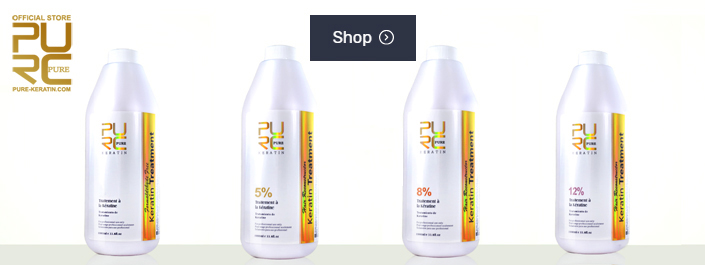
Explore the Pure Keratin treatment collection or browse our aftercare guides to find products suited to your hair's condition and treatment history.
When Should You See a Dermatologist About Hair Loss After Keratin?
Not every change in hair shedding requires urgent treatment, but some signs deserve professional evaluation.
Seek advice if you notice:
- Persistent or rapidly increasing shedding
- A widening part or clearly reduced hair density
- Bald patches or progressive hairline changes
- Scalp redness, pain, burning, sores, or significant itching
- Breakage severe enough to cause visible thinning
- Hair changes accompanied by other unexplained symptoms
Visible scalp injury or significant reactions following chemical treatment warrant prompt attention.
The American Academy of Dermatology's hair-styling guidance also explains how heat, tight hairstyles, and styling habits can contribute to damage.
Frequently Asked Questions About Fall Hair Shedding and Keratin Treatments
Why is my hair falling out in fall after a keratin treatment?
Hair appearing to fall out in autumn after keratin may be natural shedding, temporary excessive shedding, or breakage. Examine loose strands for a pale club-shaped root and look for signs of broken ends. Timing alone cannot establish the cause.
How can I tell hair shedding from breakage after keratin?
Naturally shed hairs are often full-length strands with a small pale club-shaped root. Broken hairs may be shorter, have irregular ends, and lack that root. These are useful clues, but not a definitive diagnosis.
Does a keratin treatment cause hair shedding?
Keratin smoothing does not necessarily cause hair shedding. Excessive heat, chemical processing, and overlapping treatments can damage hair shafts, while scalp irritation requires attention. True shedding can also have unrelated medical or physiological causes.
Can a keratin mask stop hair shedding?
A conditioning mask may improve softness and reduce friction-related breakage, but it cannot treat follicle-level shedding caused by illness, hormonal changes, nutritional deficiencies, or other medical conditions.
When should I see a dermatologist about hair loss after keratin?
Seek professional assessment for persistent or rapidly increasing shedding, visible thinning, bald patches, scalp pain, redness, burning, or other concerning symptoms. A dermatologist can help distinguish breakage from medical hair loss.
Does more hair in my shower mean I'm losing too much hair?
Not necessarily. The number of hairs visible on wash day depends partly on how frequently you wash and detangle your hair. A change from your usual pattern, particularly with visible thinning, is more informative than one shower drain.
Can I get another keratin treatment if my hair is breaking?
It's usually better to avoid another chemical or high-heat smoothing procedure while significant breakage is occurring. Have the condition of your hair assessed before repeating treatment.
Will hair breakage grow back?
The broken portion of a hair shaft cannot grow back or permanently heal, but new hair can continue growing from functioning follicles. Protecting new growth and gradually trimming damaged lengths may help improve your hair's appearance over time.
Final Thoughts: Don't Confuse Fall Shedding With Keratin Breakage
More hair in your brush during autumn does not automatically mean your keratin treatment has damaged your hair.
The most useful first step is to determine whether you're seeing naturally shed strands, broken hair fragments, or both.
If breakage is the main concern, reduce mechanical and heat damage, choose suitable conditioning products, and protect fragile ends.
If shedding is excessive, persistent, or accompanied by visible thinning, seek professional guidance rather than relying on cosmetic products alone.
For maintaining smoother, softer, more manageable treated hair, explore the professional hair-care and aftercare options at Pure-Keratin.com.
Scientific Sources and Further Reading
- American Academy of Dermatology — Hair Loss Overview
- Kunz et al. — Seasonality of Hair Shedding in Healthy Women (2009)
- Periodicity in the Growth and Shedding of Hair — PubMed
- DermNet — Telogen Effluvium
- American Academy of Dermatology — Hair Styling Without Damage
- FDA — Formaldehyde in Hair Smoothing Products
Educational information only. This article is not a medical diagnosis or a substitute for individualized medical advice.