


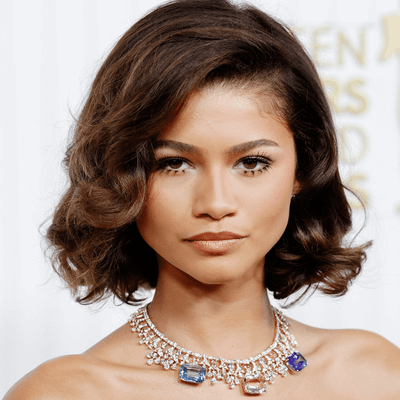
Keratin Treatment for Short Hair: Pixie Cuts, Bobs and Above-the-Shoulder Styles
PURE KERATIN on 26th Oct 2026
Keratin Treatment for Short Hair: Pixie Cuts, Bobs and Above-the-Shoulder Styles
Yes, you can get a keratin treatment on short hair. Pixie cuts, bobs, lobs, cropped styles and above-the-shoulder hair can all benefit from keratin smoothing when the treatment is selected and applied according to your hair type, condition and desired finish.
In fact, short hair can be one of the most noticeable places to use a keratin treatment. With less length to weigh the hair down, frizz, puffiness, flyaways and uneven texture can have a bigger effect on the shape of a short haircut. Smoothing that texture can make a pixie look more polished, a bob look more precise and an above-the-shoulder cut considerably easier to style.
The key is not simply making short hair as straight as possible. A good keratin treatment for short hair should control frizz while preserving the movement, shape and volume that make the haircut work.
This guide explains how keratin treatments work on pixie cuts, bobs, bangs or fringe, curly short hair, fine hair and thicker above-the-shoulder styles—and how to avoid ending up with hair that feels too flat.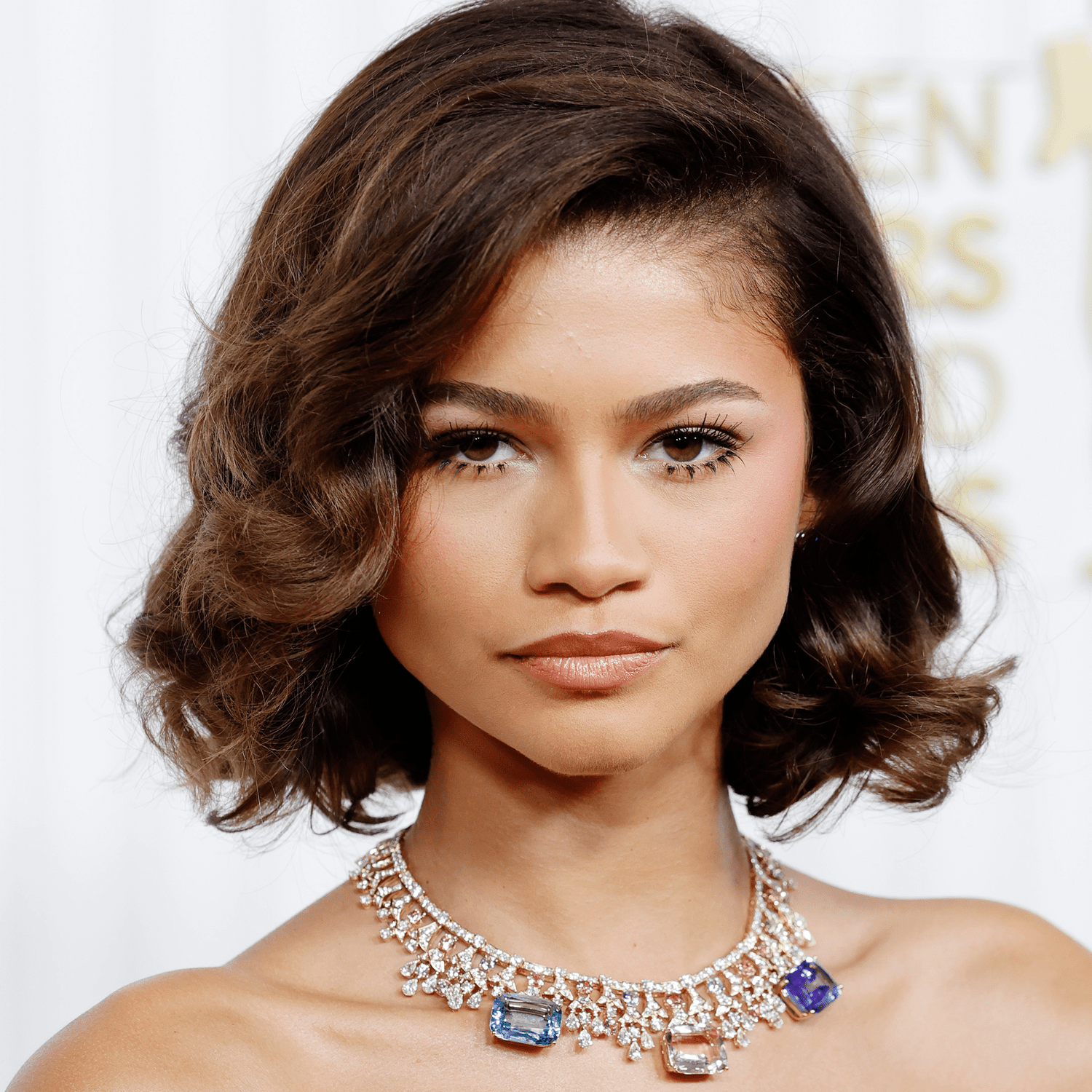
Can You Put a Keratin Treatment on Short Hair?
Yes. Hair does not need to be long for a keratin smoothing treatment to work.
A keratin treatment is designed to make the hair surface smoother, reduce visible frizz and make strands easier to manage. Depending on the formula and application technique, it can also relax some wave or curl and reduce the amount of blow-drying or flat-ironing required during everyday styling.
That can be particularly useful with short hair because you cannot always hide an unruly section in a ponytail or bun. On a pixie, bob or cropped hairstyle, the texture of almost every section contributes to the finished silhouette.
If you are new to smoothing treatments, start with our complete guide to what a keratin treatment is and how it works.
Quick Guide: Keratin Treatment by Short Haircut
| Short hairstyle | What keratin can help with | What to protect |
|---|---|---|
| Pixie cut | Flyaways, puffiness, frizz and difficult-to-control texture | Root lift, crown volume and natural movement |
| Blunt bob | Smoothness, shine and a cleaner-looking perimeter | Enough body to prevent the cut looking overly flat |
| Layered bob | Frizz control and easier styling | Movement between the layers |
| French bob | Humidity control and polished texture | Softness and natural shape around the face |
| Curly bob | Reducing unwanted frizz and excess volume | The curl pattern you want to keep |
| Short hair with bangs/fringe | Frizz, cowlick appearance and difficult styling | Correct fringe length after smoothing |
| Fine short hair | Flyaways and roughness | Maximum root volume; avoid excess product |
| Thick short hair | Bulk, puffiness, humidity-related expansion | Enough movement so the haircut does not look rigid |
Keratin Treatment for a Pixie Cut
A keratin treatment on a pixie cut can work particularly well when the main problems are frizz, puffiness or hair that refuses to sit in the intended direction.
Pixie cuts depend heavily on shape. There may only be a few inches of hair, but changes in texture at the crown, sides or fringe can completely change how the haircut looks.
The goal with a pixie should usually be controlled smoothing rather than maximum straightening.
Will Keratin Make a Pixie Cut Flat?
It can if the formula, amount of product or application technique is too aggressive for the hair.
This is especially important with fine or low-density hair. If you love height at the crown or a deliberately tousled pixie, tell your stylist that maintaining volume is a priority.
Short hair generally requires less product than long hair. Applying more treatment does not automatically produce a better result, and overly saturating fine short hair can make the finished style appear heavier than intended.
Best Result for a Pixie
A well-planned treatment should leave a pixie smoother and easier to manipulate while still allowing you to use your fingers, a brush or a small amount of styling product to create texture.
Think less frizz and more control rather than “perfectly flat.”
Keratin Treatment for a Bob
A keratin treatment on a bob haircut can be an excellent combination because the smoother texture helps emphasize one of a bob's most important features: its shape.
Whether your bob ends at the jaw, chin or just above the shoulders, frizz can blur the perimeter and make a precise haircut look wider or less defined.
After smoothing, the line of the cut may appear cleaner, the hair can reflect more light and daily styling can become simpler.
Blunt Bob
Keratin smoothing is especially compatible with a sleek blunt bob. Reducing surface frizz helps the strong perimeter of the haircut become more visible.
However, a bob still needs movement. If your hair is naturally fine, the objective should be to smooth the surface without eliminating all body at the roots.
Layered Bob
A layered bob requires a little more planning. Layers depend on movement and separation, so smoothing should complement rather than erase them.
Tell your stylist whether your priority is a sleek finish or a softer bob with visible movement. That information can affect both treatment selection and finishing technique.
Curly or Wavy Bob
If you have a curly or wavy bob, decide how much of your natural pattern you actually want to change before having a treatment.
Some people want significantly straighter-looking hair. Others simply want less frizz while retaining waves or loose curls.
These are different goals. A good consultation should start with the result you want rather than assuming that every keratin client wants completely straight hair.
What About Keratin Treatment on Bangs or Fringe?
Yes, bangs—or a fringe in the UK and Australia—can be treated too.
This can be useful when the front section becomes frizzy, curls more strongly than the rest of the hair or requires repeated heat styling every morning.
There is one important consideration: smoother bangs can sit lower and appear longer.
For that reason, it is often better to finalize the length of a fringe after you know how the treated hair will sit.
For a detailed explanation, see our guide on whether you should cut your hair before or after a keratin treatment.
Should You Cut Short Hair Before or After Keratin?
For most precision short haircuts, the final shaping is best performed after the keratin treatment.
Why? Smoothing can change how the hair falls. Waves may become more elongated, frizz may disappear and the overall volume can change. Once the treatment is complete, your stylist can see the texture they are actually cutting into.
This is particularly useful for:
- precise bobs;
- pixie detailing;
- bangs or fringe;
- face-framing sections;
- layered short styles; and
- clean, blunt perimeters.
If you are making a dramatic change—for example, cutting long hair into a chin-length bob—it can make sense to remove the unwanted bulk of the length first, perform the treatment and then complete the precision haircut afterward.
Does Keratin Make Short Hair Look Longer?
It can make curly or wavy short hair appear longer.
The treatment does not make hair grow during the service. Instead, reducing curl or wave can reveal more of the strand's existing length.
This matters considerably with bangs, pixies and jaw-length bobs, where even a small visual change in length can alter the proportions of the haircut.
Will Keratin Remove All the Volume From Short Hair?
Not necessarily.
The finished result depends on your natural texture, hair density, treatment formula, amount of product and how the hair is processed.
Someone with very thick, coarse, high-volume hair may deliberately want substantial volume reduction. Someone with a fine pixie may want almost no reduction in root lift at all.
This is why “keratin treatment for short hair” should not be treated as a single technique. The treatment needs to match the haircut.
For Fine Short Hair
Prioritize frizz control, softness and surface smoothness without unnecessarily weighing down the roots.
For Thick Short Hair
Reducing excess bulk can make a bob or pixie much easier to control, particularly in humid weather.
For Curly Short Hair
Decide in advance whether you want looser curls, a straighter finish or simply improved frizz control. Do not assume those outcomes are interchangeable.
Is Keratin Good for Short Frizzy Hair?
Frizz control is one of the main reasons people with short hair consider keratin smoothing.
Short cuts can be particularly affected by humidity because there is less length and weight pulling the hair downward. A section near the crown, temples or hairline can expand enough to alter the overall silhouette.
A suitable keratin treatment can make that texture easier to manage, reduce visible flyaways and shorten everyday styling routines.
That benefit can be particularly attractive in humid regions of the United States, Canada during humid summer weather, coastal areas of Australia and damp climates across the UK.
How Long Does Keratin Treatment Last on Short Hair?
A professional keratin treatment can commonly remain noticeable for several months, but there is no single duration that applies to every formula or every head of hair.
Longevity depends on factors including:
the specific formula, how frequently you wash your hair, your shampoo and conditioner, swimming, heat styling, hair growth, original texture and how closely you follow the treatment's aftercare instructions.
Short hair introduces another factor: you notice new growth sooner.
When only a few inches of hair are visible, fresh untreated roots can represent a larger percentage of the hairstyle than they would on waist-length hair.
That does not necessarily mean the keratin disappeared more quickly. It means the contrast between new growth and previously treated hair can become noticeable sooner.
What Happens When a Pixie or Bob Grows Out After Keratin?
Your new hair grows with its natural texture.
For someone with naturally curly or highly frizzy hair, this can eventually create a difference between the untreated root area and smoother treated lengths.
With a short haircut, regular trims may gradually remove treated hair at the same time that new growth appears. Your maintenance schedule therefore depends on both your keratin results and your haircut schedule.
A person maintaining a pixie every few weeks may approach repeat treatments differently from someone growing a shoulder-length bob.
How to Keep a Short Keratin Hairstyle Looking Good
Short hair still needs proper keratin aftercare. The fact that you have less hair does not mean you can ignore the product instructions.
Your exact first-wash window depends on the formula. Some treatments allow washing relatively quickly, while others require a waiting period.
After that initial period, a gentle routine can help maintain smoothness. Avoid automatically assuming every keratin treatment has the same aftercare requirements.
Read our full keratin treatment aftercare guide for washing, sleeping, styling, swimming and maintenance advice.
Can You Do a Keratin Treatment on Very Short Hair?
Yes, provided there is enough hair for the treatment to be applied and processed safely.
Very cropped hair requires extra precision because the product is physically closer to the scalp and there is less length to manipulate with styling tools.
If the hair is extremely short, a professional stylist may be the better choice. They can assess whether your current length is practical for the treatment and whether smoothing will meaningfully improve the style you want.
Keratin Treatment for Short Men's Hair
Keratin treatment is not specific to women's hairstyles.
Men with short, medium-short, curly, coarse or frizz-prone hair can also use smoothing treatments to improve manageability and reduce unwanted expansion.
The same principle applies: on very short hair, preserving the intended root direction and volume can be more important than making the hair perfectly straight.
Is a Formaldehyde-Free Keratin Treatment Better for Short Hair?
Hair length does not determine whether a product contains or releases formaldehyde. Formula selection matters regardless of whether your hair reaches your ears or your waist.
The U.S. Food and Drug Administration explains that some hair smoothing products contain or release formaldehyde when heated and advises consumers to check product ingredients and ask professionals about the formula being used.
Anyone considering a smoothing treatment should understand what is in the product rather than treating “keratin” as a complete description of the formula.
Useful names to look for when reviewing formaldehyde-related ingredients include formaldehyde, formalin and methylene glycol.
For additional safety information, see the FDA guidance on formaldehyde in hair-smoothing products and the OSHA hair-salon guidance.
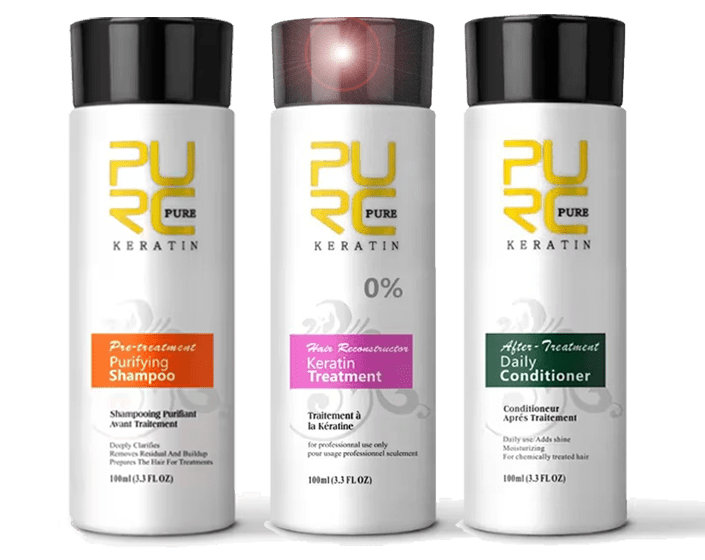
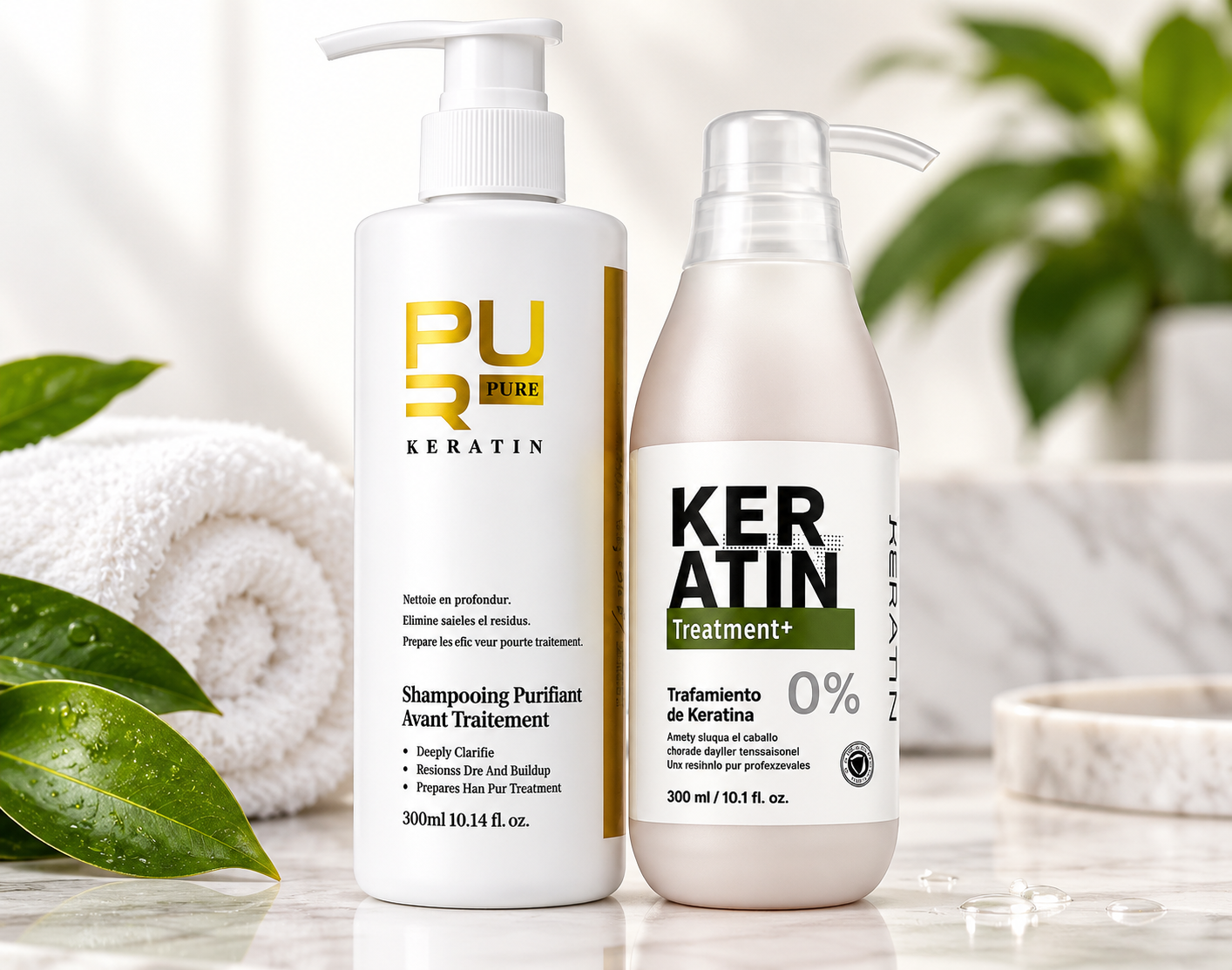
If avoiding formaldehyde is one of your priorities, explore the Pure Keratin Formula 0% formaldehyde-free treatment and always follow the complete manufacturer instructions and precautions for the product you choose.
Can You Do a Keratin Treatment on Short Hair at Home?
Some products are sold for at-home use, but short hair is not automatically easier or risk-free simply because there is less of it.
Product control can actually become more important because the scalp, hairline and ears are close to the entire working area.
Always follow the directions for the exact formula rather than copying a technique from a different brand or social-media video.
The FDA specifically discourages consumers from buying or using hair-smoothing products containing formaldehyde or related ingredients for home use. Check the ingredient list before use, follow all safety instructions and seek professional help when you are uncertain.
How Much Product Does Short Hair Need?
Usually less than medium or long hair—but the exact amount depends on density, strand thickness and length.
A thick jaw-length bob may need more product than a fine pixie even though both are categorized as “short hair.”
The important principle is even coverage, not excessive saturation.
Short hair can therefore make a treatment more economical because less product may be required per application, but always follow the dosage and application instructions for your specific product.
Keratin Treatment Before and After a Short Haircut: What Changes?
The most noticeable differences are often not simply “curly versus straight.”
On short hair, you may notice:
Before treatment: more visible frizz, a wider silhouette, flyaways around the hairline, inconsistent curl or wave patterns and more time required to create a polished shape.
After treatment: a smoother surface, more visible shine, a cleaner haircut outline, less humidity-related expansion and easier daily styling.
Results vary significantly according to hair type and formula, so use before-and-after photographs as examples rather than guarantees of an identical outcome.
Who Is a Good Candidate for Keratin Treatment on Short Hair?
You may be a good candidate if your main goals are reducing frizz, making a short haircut easier to style, controlling excessive puffiness, increasing visible smoothness or reducing your reliance on daily heat styling.
Extra caution is appropriate when the hair is severely bleached, breaking, extremely fragile or already compromised by repeated chemical services and heat.
A keratin treatment can improve the appearance and manageability of hair, but it should not be treated as a substitute for removing badly split ends or addressing severe breakage.
If your hair is already fragile, read our guide to keratin treatments and damaged hair before adding another high-heat or chemical service.
Why Choose Pure-Keratin.com for Short-Hair Keratin Care?
Short hair does not need a one-size-fits-all smoothing solution. A fine pixie, thick French bob, curly jaw-length cut and shoulder-skimming lob can require very different approaches.
Pure-Keratin.com combines more than 30 years of hair-care experience with a range of 200+ hair-care products, giving customers options for professional treatments, at-home keratin care, formaldehyde-free formulas, shampoos, conditioners, masks, oils and post-treatment maintenance.
For customers in the USA, Canada, Australia, UK and other international markets, Pure-Keratin.com focuses on making professional-style keratin care accessible at competitive prices while supporting customers with detailed education, treatment guides and aftercare information.
Customer feedback across different hair types also helps shoppers compare how products perform for concerns including frizz, humidity, manageability, softness and styling time.
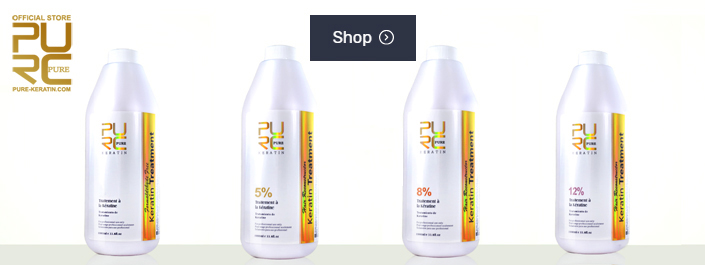
Explore Pure Keratin treatments and hair-care products to find an option suited to your texture, hair condition and smoothing goals.
Keratin Treatment for Short Hair: The Bottom Line
Keratin treatment can work extremely well on short hair—including pixie cuts, bobs, bangs, fringe and above-the-shoulder styles.
The best result is not necessarily the straightest result. For short hair, the objective should be to control unwanted frizz and puffiness while protecting the shape, volume and movement that make your haircut flattering.
A pixie may need root lift preserved. A blunt bob may benefit from a sleeker perimeter. A curly bob may need frizz reduction without eliminating every curl. Bangs may need to be trimmed after treatment because smoothing can change how long they appear.
Match the treatment to your haircut, follow the exact application and aftercare instructions, and pay attention to formula safety. Done correctly, a keratin treatment can make short hair smoother, shinier and considerably easier to style without taking away its personality.
Frequently Asked Questions About Keratin Treatment for Short Hair
Can you get a keratin treatment with a pixie cut?
Yes. A keratin treatment can reduce frizz, puffiness and flyaways in a pixie cut. The application should be tailored to preserve the root volume and movement required by the haircut.
Can you get a keratin treatment on a bob?
Yes. Keratin treatment works well on blunt, layered, French, wavy and curly bobs. It can make the perimeter look smoother and reduce daily styling time.
Will keratin make short hair flat?
It can reduce volume, but short hair does not have to become completely flat. The amount of smoothing depends on the formula, hair type and application technique. If maintaining volume is important, make that clear before the treatment.
Is keratin treatment good for short frizzy hair?
Yes. Short frizzy hair can benefit from improved smoothness and humidity control. Because short hair has less weight pulling it downward, reducing excess frizz can noticeably improve the overall shape of the haircut.
Does keratin make short hair look longer?
Curly and wavy hair can appear longer after smoothing because reducing curl or shrinkage reveals more of the strand's existing length. Keratin treatment does not itself make hair grow.
Should I get a bob before or after a keratin treatment?
For a precise bob, it often makes sense to complete the final shaping after the keratin treatment so the stylist can cut according to the hair's smoother finished texture. If you are removing substantial length, a rough cut can be performed first.
Should bangs be cut before or after keratin?
Bangs or fringe are generally best finalized after smoothing because treated hair can sit flatter and appear longer. This allows your stylist to choose the final length more accurately.
How long does a keratin treatment last on short hair?
Results commonly remain noticeable for several months, but duration depends on the formula, washing frequency, aftercare, natural texture and new hair growth. Short hair can make untreated new growth noticeable sooner.
Can men get keratin treatment on short hair?
Yes. Keratin treatments can be used on men's short hair to reduce frizz, excessive bulk and styling difficulty. Treatment technique should be adapted to the haircut and desired volume.
Can you put keratin treatment on very short hair?
Yes, if there is enough length to apply and process the treatment safely. Extremely short hair may be better handled by a professional because of the proximity of the product and styling tools to the scalp and skin.
Does short hair use less keratin product?
Usually, but density matters as much as length. A dense chin-length bob may require significantly more product than a fine pixie. Follow the instructions for your treatment rather than estimating based on length alone.
Is formaldehyde-free keratin available for short hair?
Yes. Formaldehyde-free keratin treatments can be used on short hair just as they can on longer hair. Check the complete ingredient information and follow the manufacturer's instructions for the specific formula.