


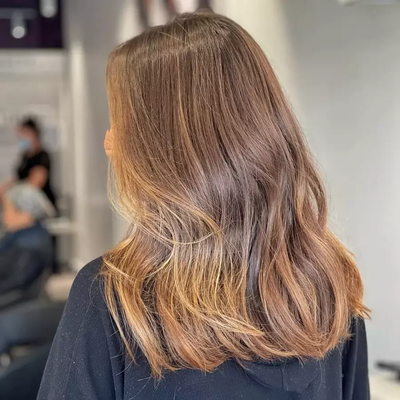
Is It Safe to Use Semi-Permanent Dye and Keratin Treatment? What to Know Before and After Coloring
PURE KERATIN on 10th Mar 2026
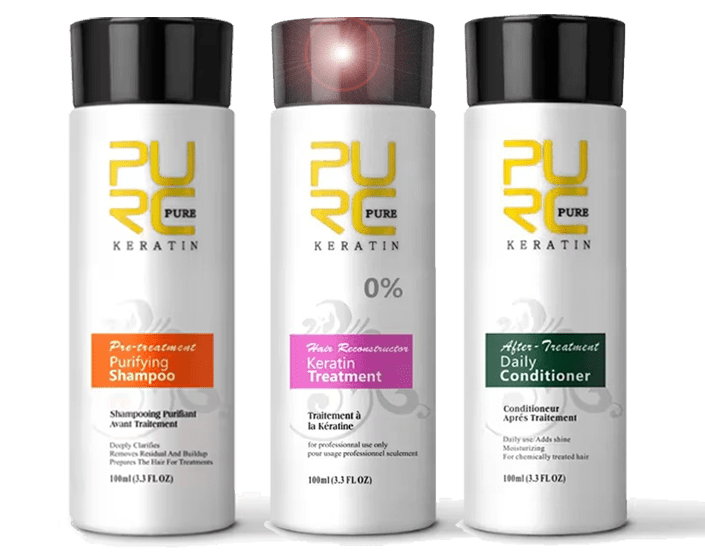
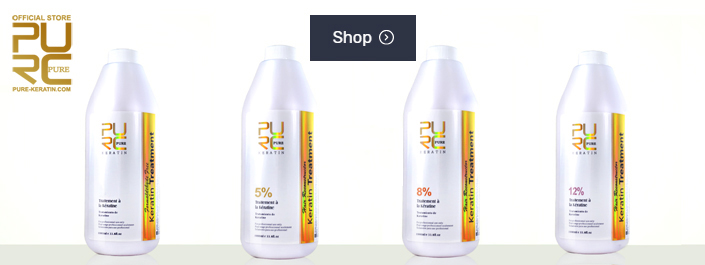
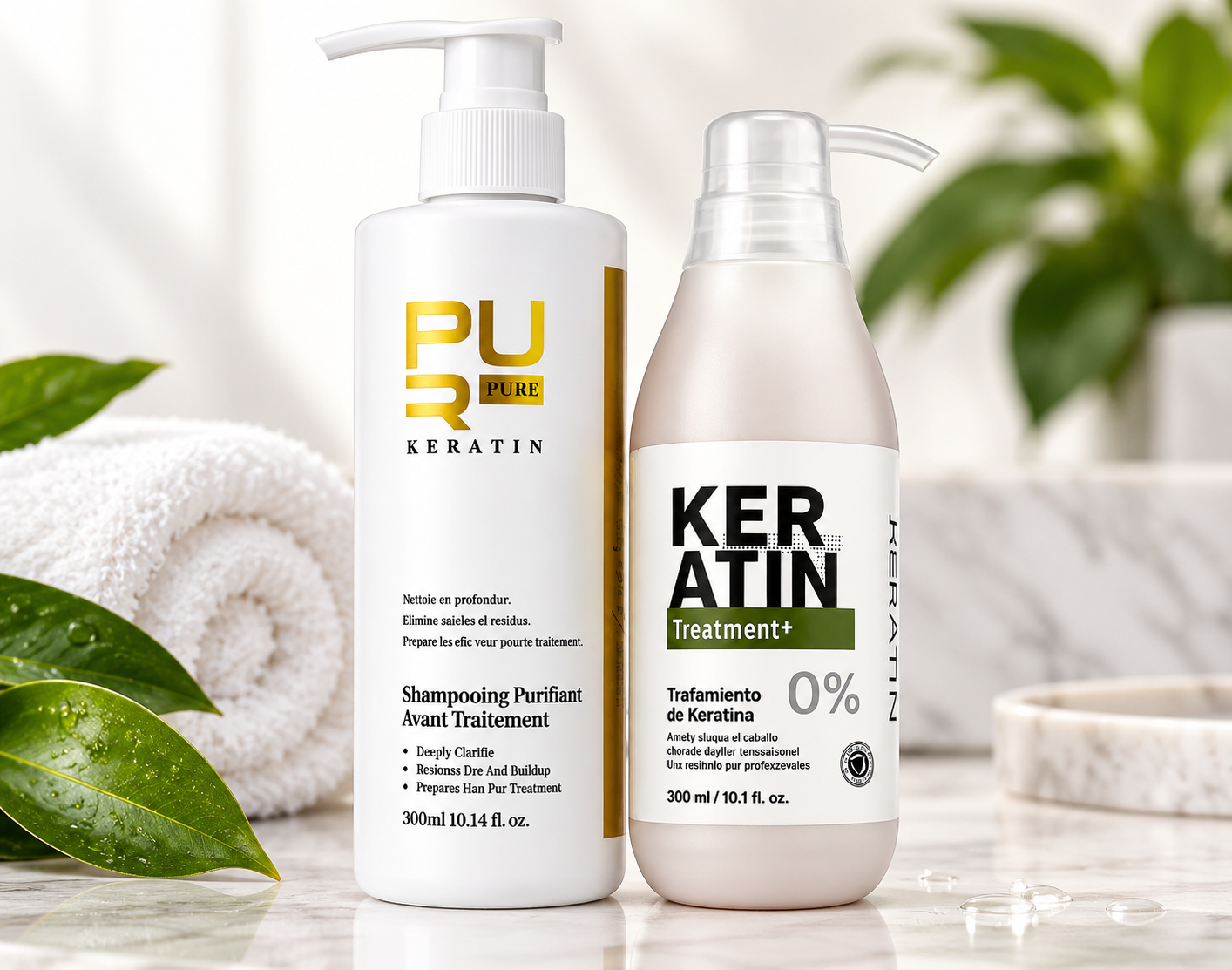
Is It Safe to Use Semi-Permanent Dye and Keratin Treatment?
Yes, in many cases it is safe to use semi-permanent dye with keratin-treated hair, but the key is timing, product choice, and aftercare. If you have just had a keratin treatment and want to refresh your color, cover grays, tone brassiness, or deepen your shade, semi-permanent color is often considered a gentler choice than stronger permanent color or bleach.
That said, “safe” does not mean “do it immediately.” If you color too soon after a keratin service, you may reduce the smoothing benefits, shorten the life of the treatment, or end up with uneven color results. The safest approach is usually to let the keratin settle first, then use a gentle coloring method that respects the condition of your hair.
Why This Question Matters
Many people get a keratin treatment to reduce frizz, improve shine, and make hair easier to manage. A few days later, they realize they also want to tone their hair, refresh faded color, or blend gray roots. This is where confusion starts. Some people think all color is off-limits after keratin. Others assume semi-permanent dye is so gentle that timing does not matter. The truth is somewhere in the middle.
Keratin treatments work by coating and smoothing the hair shaft. Hair color, even gentler color, still interacts with the hair cuticle. That means you need a plan that protects both your smoothing result and your color result.
What Happens to Hair During a Keratin Treatment?
A keratin treatment is designed to smooth the outer layer of the hair, reduce frizz, and create a sleeker finish. In many formulas, the product is applied and then heat-sealed into the hair with a blow dryer and flat iron. This is why freshly treated hair often feels shinier, softer, and easier to style.
Because the hair surface becomes more smoothed and coated, coloring immediately afterward can interfere with how well the keratin settles. It can also affect how evenly new color takes to the hair.
Is Semi-Permanent Dye Safer Than Permanent Dye After Keratin?
In many cases, yes. Semi-permanent dye is often a safer and gentler choice than permanent dye after a keratin treatment because it usually contains less aggressive chemistry and does not typically require the same level of cuticle disruption as permanent color.
Semi-permanent color can be especially useful if your goal is to:
- refresh dull or faded tone
- blend some grays softly
- neutralize brassiness
- deepen or enrich your existing shade
- experiment with less commitment
However, even semi-permanent color is not completely risk-free on freshly treated hair. If you use it too soon, you can still compromise the keratin finish or get less predictable color.
How Long Should You Wait After Keratin Before Using Semi-Permanent Dye?
The most commonly recommended waiting period is about 12 to 14 days, with many salons and hair care guides simplifying that to 2 weeks. This waiting period gives the keratin treatment enough time to settle into the hair more fully before you introduce another chemical service.
If your hair is very porous, bleached, fine, or previously damaged, it may be smart to wait a little longer and ask your stylist to assess the condition of your hair first.
| Hair Situation | Suggested Approach |
|---|---|
| Healthy hair, no bleach damage | Wait around 2 weeks before semi-permanent color |
| Fine, fragile, or highly processed hair | Wait at least 2 weeks and consider a strand test first |
| Need a small refresh only | Choose a gentle semi-permanent or color-depositing option |
| Want major lightening or bleaching | Use extra caution and get professional guidance |
Can You Do Semi-Permanent Dye and Keratin on the Same Day?
In most cases, this is not recommended. Doing both services on the same day can make it harder for the keratin to bond properly and may also lead to uneven or shorter-lasting color.
Even though semi-permanent dye is gentler than permanent color, same-day processing can still overload the hair. If smoothness, shine, and long-lasting results are your priority, spacing the services apart is the safer strategy.
When Should You Color Before Keratin Instead?
In some cases, coloring your hair before a keratin treatment may make more sense. This can be a good option when:
- you want full gray coverage
- you need permanent color rather than a gloss or refresh
- you are planning a more dramatic tone change
- your stylist wants the keratin to help lock in smoothness afterward
Many people find that coloring first and then doing keratin later creates a polished final result. The exact order depends on your hair history, your shade goals, and the formula being used.
Benefits of Semi-Permanent Dye on Keratin-Treated Hair
1. Gentler on the hair
Semi-permanent color is usually less harsh than permanent dye, making it more appealing for hair that has recently gone through a smoothing process.
2. Better for refreshing than over-processing
If your current shade only needs a boost, a semi-permanent formula can add richness without the stronger chemical load of permanent color.
3. Lower risk of disrupting the keratin result
When used at the right time, semi-permanent color is generally less likely to interfere with the keratin layer than ammonia-heavy color or bleach.
4. Good for gloss, tone, and shine
Many people use semi-permanent color not to transform their shade completely, but to tone, gloss, and revive shine. That makes it a practical option after keratin when the goal is maintenance rather than major change.
Risks to Watch Out For
Even a gentler color service has possible downsides if your hair is over-processed or if timing is off. Watch out for:
- color grabbing unevenly on porous ends
- shortened keratin longevity
- dryness from repeated heat styling
- breakage in already damaged hair
- scalp irritation or allergy from dye ingredients
If your scalp is sensitive, patch testing matters. If your hair feels gummy, overly stretchy, rough, or snaps easily, postpone coloring and focus on repair first.
How to Safely Use Semi-Permanent Dye After a Keratin Treatment
- Wait about 2 weeks. Give the keratin time to settle before adding color.
- Choose a gentle formula. Semi-permanent, ammonia-free, or color-depositing products are usually better than aggressive permanent color.
- Do a strand test. This helps you spot uneven absorption before committing to the full application.
- Patch test the dye. This is important for scalp safety, especially if you are sensitive to hair color ingredients.
- Avoid overlapping too much product. Repeatedly saturating the same fragile sections can increase dryness.
- Use sulfate-free aftercare. This helps both your color and keratin treatment last longer.
- Reduce heat styling. You already used heat during the smoothing process, so give your hair a break when possible.
Best Products and Routines After Coloring Keratin-Treated Hair
Once you color your keratin-treated hair, maintenance becomes just as important as timing. Focus on moisture, low-friction styling, and color-safe cleansing.
- Use a sulfate-free shampoo and conditioner
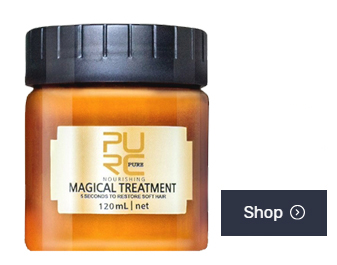
- Apply a nourishing hair mask once or twice a week
- Use heat protectant before blow-drying or straightening
- Wash less often to preserve both color and smoothing
- Avoid harsh clarifying shampoos unless truly needed
For readers shopping for smoothing-friendly maintenance products, these pages can support internal SEO and user navigation: sulfate-free shampoo options, keratin mask products, keratin hair oil, and Pure Keratin’s guide on how soon to color after keratin.
Is Semi-Permanent Dye a Good Choice for Gray Hair After Keratin?
It can be, especially if you want a softer blend rather than maximum permanent coverage. Semi-permanent dye can help tone, deepen, or soften visible grays without committing to a stronger color process immediately after keratin.
For stubborn gray coverage, some people eventually prefer permanent color, but it is still smart to separate that service from your keratin appointment and discuss timing with a professional.
Who Should Be More Cautious?
You should be extra careful with color after keratin if you have:
- bleached or highlighted hair
- fine or fragile strands
- previous relaxer or chemical straightening
- active scalp irritation
- a history of hair dye allergy
In these situations, even semi-permanent color should be approached thoughtfully. A professional assessment is worth it when your hair is already under stress.
What About Bleach, Toner, or Box Dye?
Bleach
Bleach is far more aggressive than semi-permanent color and usually requires the most caution after keratin. If you want to lighten your hair significantly, professional planning is strongly advised.
Toner
Toners can still alter the cuticle environment, so they are not automatically “safe anytime.” Treat them with the same respect as other post-keratin color services.
Box dye
Some at-home formulas can work, but results vary depending on your hair history and the ingredients in the box. A strand test is especially important here.
Why Pure Keratin Is a Strong Choice for Post-Color Keratin Care
Pure Keratin is a strong option for people who want more than just the initial smoothing treatment. The site brings together keratin treatments, shampoos, masks, oils, and aftercare products in one place, which makes it easier to maintain both your smoothness and your hair color over time.
For shoppers comparing brands, Pure Keratin also stands out for affordability, broad product selection, and a focus on at-home and professional-use solutions. That can be especially useful for people trying to build a full maintenance routine instead of buying disconnected products from multiple stores.
- Pure Keratin homepage
- Keratin treatment collection
- Formaldehyde-free keratin treatment guide
- Pure Keratin blog
Frequently Asked Questions
Is it safe to use semi-permanent dye after keratin treatment?
Yes, it is often considered one of the safer coloring options for keratin-treated hair, especially when compared with bleach or stronger permanent color. Waiting about 2 weeks is still recommended.
Can semi-permanent dye ruin a keratin treatment?
It can shorten the life of the treatment if used too soon or if the hair is repeatedly over-processed. Timing and product choice make a big difference.
Is ammonia-free color better after keratin?
In many cases, yes. Gentler formulas are often preferred because they are less likely to interfere with the keratin coating than harsher coloring methods.
Can I use semi-permanent dye to cover gray hair after keratin?
Yes, especially for soft blending or tone refresh. Full, resistant gray coverage may still require a stronger formula depending on your goals.
Should I color before or after a keratin treatment?
It depends on the result you want. For major color changes, many people prefer to color first. For lighter maintenance and refresh work, waiting and using a gentle formula after keratin can work well.
Final Answer
So, is it safe to use semi-permanent dye and keratin treatment? Yes, usually it is — but not all at once, and not without a strategy. Semi-permanent color is generally one of the more keratin-friendly ways to refresh your shade because it is usually gentler than permanent color or bleach. Still, the smartest move is to wait about 2 weeks after your keratin treatment, choose a mild formula, do a strand test, and maintain your hair with sulfate-free, moisture-supporting products.
If your goal is smooth hair, rich color, and less damage, the combination can work beautifully when timing and aftercare are done right.
Authoritative External References