


Does a Keratin Treatment Reduce Blow-Dry Time? How Much Easier Is Hair to Style Afterwards?
KERATIN TREATMENT on 22nd Oct 2026
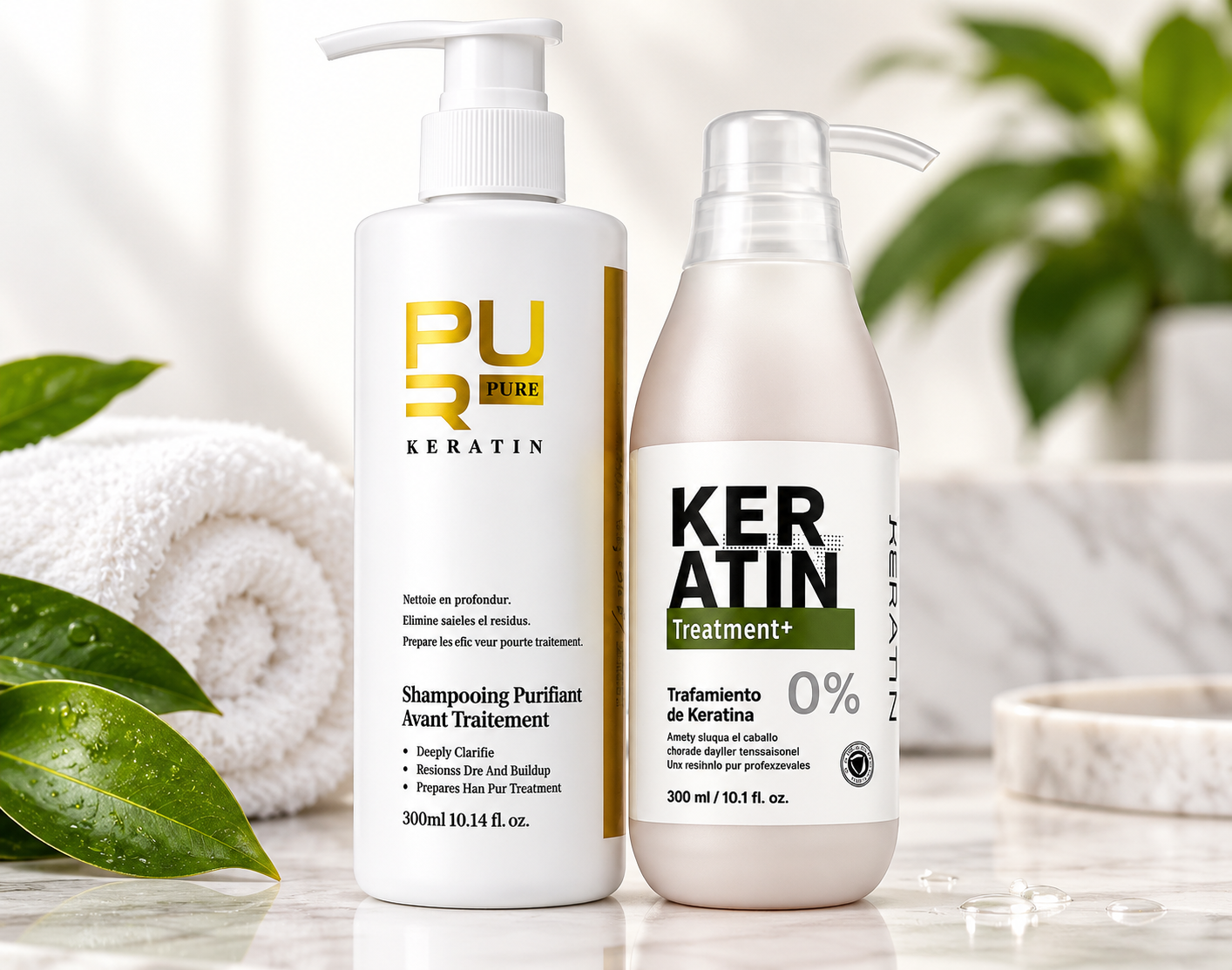
Does a Keratin Treatment Reduce Blow-Dry Time? How Much Easier Is Hair to Style Afterwards?
Yes. A keratin smoothing treatment can significantly reduce the time it takes to blow-dry and style hair, particularly if your hair is thick, coarse, curly, wavy, porous or prone to frizz. Many people find that a blowout requiring 30–45 minutes before treatment becomes noticeably quicker afterwards. Some users and salons report styling-time reductions of around 20–50% or even more, although there is no scientifically established percentage that applies to everyone.
The important distinction is that keratin-treated hair does not necessarily evaporate water dramatically faster. Much of the time saving happens because smoother, more manageable hair is easier to detangle, brush, align and finish. You may need fewer brush passes, less repeated blow-drying of frizzy sections and considerably less flat-ironing afterwards.
In simple terms: keratin can make the entire drying-and-styling process faster, even though it would be misleading to promise that the treatment makes every strand physically lose water a specific percentage faster.
Quick Answer: How Much Blow-Dry Time Can Keratin Save?
A realistic expectation is that a successful smoothing treatment can make blow-drying noticeably faster and less labor-intensive. The biggest difference is usually experienced by people who previously spent a long time stretching curls, smoothing frizz or repeatedly going over thick sections with a dryer and brush.
There is no universal clinical figure for the amount of time saved. Salon reports, keratin-treatment providers and user experiences commonly describe reductions ranging from approximately 20% to 50% of the previous drying-and-styling routine, with some individuals reporting larger changes.
Think of that as an expectation range rather than a guarantee.
| Before Keratin | Illustrative Time After a 20–50% Reduction | Potential Time Saved |
|---|---|---|
| 15 minutes | About 8–12 minutes | About 3–7 minutes |
| 30 minutes | About 15–24 minutes | About 6–15 minutes |
| 45 minutes | About 23–36 minutes | About 9–22 minutes |
| 60 minutes | About 30–48 minutes | About 12–30 minutes |
These examples demonstrate the mathematics of a 20–50% reduction; they are not guaranteed treatment results. Your actual result depends on your hair, treatment and styling method.
Why Does Hair Become Easier to Blow-Dry After Keratin?
The main benefit is manageability.
Hair fibers have an overlapping outer cuticle. When the surface is rough, weathered or damaged, strands can experience greater friction against one another. That contributes to tangling, resistance during brushing, frizz and difficulty creating a smooth finish.
Hair-care research shows that reducing friction between hair fibers can improve combability and manageability. Keratin smoothing formulas combine smoothing and conditioning ingredients designed to create a more uniform-feeling surface, reduce unwanted frizz and make hair easier to control.
1. Less Frizz to Fight While Blow-Drying
Untreated frizz-prone hair can require repeated brushing and heat simply to create a smooth surface. After a successful keratin treatment, the hair begins the blow-dry process in a more manageable state.
Instead of repeatedly going over the same section, you may be able to smooth it with fewer passes.
2. The Brush Moves Through Hair More Easily
Smoother hair generally creates less resistance during brushing and combing. This can be especially noticeable on long, dense or porous hair that previously tangled during a blowout.
Less fighting with the brush often means a quicker styling routine.
3. You May Need Less Tension to Get a Smooth Finish
If you normally use a round brush to stretch waves or curls, a smoothing treatment can reduce how much reshaping is required.
You may still use the same dryer and brush, but creating the desired result can become much easier.
4. There Is Often Less Flat-Iron Work Afterwards
This can be one of the biggest hidden time savings.
Before keratin, someone might spend 25 minutes blow-drying and another 15 minutes straightening frizzy sections. After treatment, the blow-dry itself may be easier and there may be little or no need for a complete second styling stage.
So when people say keratin “cut my drying time in half,” they may really mean that it cut their total wash-day styling time dramatically.
5. Hair Is Often More Predictable in Humidity
A good blowout does not save much time if you need to redo it shortly afterwards.
Keratin smoothing is popular partly because it can reduce the visible puffiness and frizz that appear when humidity affects susceptible hair. Better control can mean fewer morning touch-ups and less repeated heat styling between washes.
Does Keratin Actually Make Wet Hair Dry Faster?
Possibly in your real-world routine, but the claim needs some context.
There is a difference between:
- how quickly water physically evaporates from a hair fiber; and
- how quickly you can take wet hair from towel-dried to a finished hairstyle.
The second benefit is much better established by practical experience.
A smoother head of hair can be easier to section, brush and direct with airflow. If you normally spend considerable time stretching curls, taming puffiness or correcting frizzy sections, the difference after keratin can feel dramatic.
However, factors such as hair density, length, porosity, how much water is in the hair, dryer power and section size still affect the physical drying process.
Therefore, the most accurate answer is: keratin commonly makes a blow-dry faster to complete, but there is not enough evidence to promise that keratin itself makes water evaporate from everyone's hair at a fixed faster rate.
How Much Easier Is Hair to Style After a Keratin Treatment?
For someone whose main hair problem is frizz, puffiness or a lengthy smoothing routine, the styling difference can be substantial.
After a well-matched keratin treatment, people commonly notice:
- easier detangling;
- less resistance when brushing;
- less surface frizz;
- fewer flyaways;
- less puffiness during blow-drying;
- fewer passes with the dryer;
- less need for a flat iron afterwards;
- easier straight styles;
- softer, more controlled waves;
- greater shine and a smoother-looking finish; and
- less restyling when the weather becomes humid.
That combination is why many people value keratin as much for convenience as for appearance.
Which Hair Types Usually Notice the Biggest Time Savings?
Thick or Dense Hair
Dense hair can still take time to dry because there is simply more hair. However, keratin can make each section easier to manage and reduce the work required to produce a smooth finish.
If you currently spend a long time pulling thick hair straight with a brush, you may notice a substantial difference.
Wavy Hair
Wavy hair often responds particularly well when the goal is smoother, more polished hair without necessarily making it pin-straight.
A blow-dry that previously required careful brush tension may become much simpler because the wave pattern and frizz can be easier to control.
Curly Hair
Curly hair can see a major reduction in styling effort, but the result depends heavily on the treatment strength and technique.
A smoothing treatment may loosen the curl pattern as well as control frizz. If maintaining your curls is important, choose the treatment accordingly rather than assuming every keratin service will preserve exactly the same curl pattern.
Read our guide to whether keratin straightens hair or simply reduces frizz before selecting a formula.
Coarse and Frizz-Prone Hair
This is often where the convenience benefit becomes most obvious. Coarse hair that needs repeated heat and tension to look polished can become significantly more cooperative after smoothing.
Fine Hair
Fine hair may still become easier to style, but dramatic straightening is not necessarily desirable. An overly strong smoothing result can reduce body and volume.
For fine hair, the ideal goal may be controlled frizz and improved manageability rather than maximum straightness.
Bleached, Highlighted or Highly Porous Hair
Porous hair can feel rough, absorb products unevenly and become difficult to control. Smoothing may help manageability, but chemically lightened or fragile hair also requires extra caution because keratin application often involves substantial heat.
Hair condition should determine the formula and temperature rather than assuming the strongest treatment will produce the best result.
Can Keratin Cut a 45-Minute Blow-Dry to 15 Minutes?
It can happen, but it should not be promised.
Some salons advertise extremely large styling-time reductions, while individual users sometimes report that a routine taking 30–45 minutes before keratin takes roughly half as long afterwards.
Someone whose 45-minute routine includes:
- detangling;
- rough drying;
- sectioning;
- round-brush smoothing;
- re-drying frizzy sections; and
- flat-ironing afterwards
has much more potential time to save than someone whose untreated hair already takes only 10 minutes to dry.
The more of your current routine is spent controlling texture rather than simply removing water, the more dramatic the convenience benefit may be.
Is Blow-Drying Curly Hair Easier After Keratin?
Usually, yes.
Curly and highly textured hair often takes longer to blow-dry straight because the stylist must simultaneously dry the hair and reshape the curl pattern with airflow, heat and tension.
A smoothing treatment can reduce the amount of reshaping required.
However, if you normally diffuse your natural curls rather than straighten them, the answer becomes more individual. A smoothing keratin treatment may loosen your curls, alter shrinkage or change the way the hair behaves with a diffuser.
If preserving curl definition is your priority, discuss that goal before selecting a treatment.
Will Hair Be Easier to Style After the First Wash?
Yes—that is when you get the most useful test of the treatment.
The hair immediately after a keratin service has also received a professional blow-dry and flat-iron finish. Naturally, it can look exceptionally sleek.
After your first permitted shampoo, judge the keratin treatment by questions such as:
- Does my hair detangle faster?
- Is there less puffiness?
- Can I finish my blow-dry more quickly?
- Do I need fewer brush passes?
- Do I need less flat-ironing?
- Does my hair stay smoother afterwards?
Those are better indicators than expecting every wash to reproduce the exact appearance of a salon blowout automatically.
Can You Air-Dry Hair After a Keratin Treatment?
Once the setting period required by your particular formula is complete, many keratin-treated heads of hair can be air-dried normally.
The result will generally look more natural than a professional blowout. You may still have waves, curls or root volume, but hair can remain smoother and less puffy than it was before treatment.
For a complete explanation, see what happens when you air-dry hair after a keratin treatment.
Do You Need to Blow-Dry Keratin-Treated Hair After Every Wash?
No—not necessarily.
Heat is important during the application of many keratin systems, but that does not mean every formula requires you to perform a complete blowout after every shampoo for the treatment to work.
After the required setting period, everyday blow-drying is primarily a styling choice unless your individual product instructions state otherwise.
You may prefer a blow-dry when you want maximum straightness, shine and polish. On casual days, air-drying may be perfectly suitable.
How to Make Your Blow-Dry Even Faster After Keratin
- Remove excess water first. Gently blot rather than aggressively rubbing the hair.
- Detangle before reaching for the dryer. A smoother starting point makes sectioning faster.
- Use an appropriate heat protectant. Easier styling does not make hair immune to thermal damage.
- Rough-dry before using a brush. Depending on your hair type, removing some moisture first can reduce the amount of brush work needed.
- Work in manageable sections. Oversized sections can keep interior hair wet and make you repeat the process.
- Direct airflow down the hair shaft. This helps create a smoother-looking finish.
- Use only as much heat as necessary. If keratin has made your hair easier to style, take advantage of that rather than automatically using maximum heat.
- Skip unnecessary flat-ironing. If your blow-dry already looks smooth, additional passes may add heat without adding meaningful benefit.
Does the Blow-Dry Time Saving Last as Long as the Keratin Treatment?
Generally, the convenience benefit gradually fades along with the smoothing effect.
When the treatment is fresh, the difference may be most noticeable. Over time, you may notice:
- more natural texture returning;
- increasing frizz;
- more brush work being required; and
- your styling time gradually increasing again.
How quickly that happens depends on the treatment, your hair, washing frequency, swimming, heat exposure and aftercare.
For longer-lasting results, read our complete keratin treatment aftercare guide.
Can the Right Aftercare Keep Hair Easier to Style for Longer?
Yes. Aftercare can make a major difference to how long the smoothing effect remains noticeable.
Follow the instructions for your specific treatment rather than assuming all keratin formulas have identical rules.
Depending on the product, good aftercare may include:
- waiting the specified time before the first wash;
- using a gentle shampoo compatible with keratin-treated hair;
- conditioning consistently;
- avoiding unnecessary over-washing;
- protecting hair from excessive heat;
- limiting damage from chlorine and seawater; and
- using masks or conditioning products when appropriate for your hair type.
Can Easier Styling Mean Less Heat Exposure?
Potentially, yes.
If a keratin treatment allows you to reach your preferred style with fewer dryer passes and less flat-ironing, you can reduce the amount of routine heat styling you perform.
That benefit depends on how you use the treatment. Keratin does not make hair heat-proof, and repeatedly using unnecessarily high temperatures can still damage the hair shaft.
The goal should be to take advantage of the increased manageability to do less, rather than simply styling the same sections repeatedly because they tolerate it more easily.
What Affects How Much Styling Time You Will Save?
Your result depends on several variables:
- Hair density: more hair still requires more drying.
- Length: very long hair naturally takes longer.
- Natural texture: curly and coarse hair may have more styling effort to reduce.
- Porosity: porous hair can behave differently when wet and during styling.
- Desired finish: air-dried waves take less work than a glass-smooth blowout.
- Treatment strength: mild smoothing and stronger straightening effects are not identical.
- Application technique: professional technique affects the result.
- Hair condition: damaged and healthy areas may respond differently.
- Your dryer: airflow and dryer performance still matter.
- Aftercare: the smoothing effect gradually fades if the treatment is not maintained properly.
A Simple Way to Measure Your Own Keratin Time Saving
Instead of relying on someone else's percentage, perform a before-and-after test.
Time your complete wash-day routine before treatment, beginning when you switch on the dryer and ending when your hair is genuinely finished—including any flat-iron touch-ups.
Then repeat the test after your first permitted post-treatment wash using approximately the same technique.
Use this calculation:
Time saved ÷ original styling time × 100 = percentage reduction
For example, if your routine decreases from 40 minutes to 24 minutes:
16 ÷ 40 × 100 = 40% less styling time.
That gives you a meaningful measurement based on your own hair rather than an advertising claim.
Are There Any Downsides to Consider?
Yes. Faster styling should not be the only factor used to choose a treatment.
Some smoothing formulas may loosen natural curl, reduce volume or create a straighter result than you wanted. Application can also involve substantial heat.
There are chemical considerations as well. The U.S. Food and Drug Administration warns that some hair-smoothing products contain or release formaldehyde when heated. Exposure can irritate the eyes, nose, throat, lungs and skin, and formaldehyde presents more serious health concerns with sufficient exposure.
Ask exactly which product is being used, review its ingredient and safety information, and ensure appropriate ventilation and application practices.
A treatment advertised as “keratin” should never automatically be assumed to have the same composition or safety profile as every other keratin product.
Why Choose Pure-Keratin.com for Smoother, Easier-to-Style Hair?
If your main goal is to spend less time fighting frizz and more time enjoying manageable hair, choosing the right treatment and aftercare products matters.
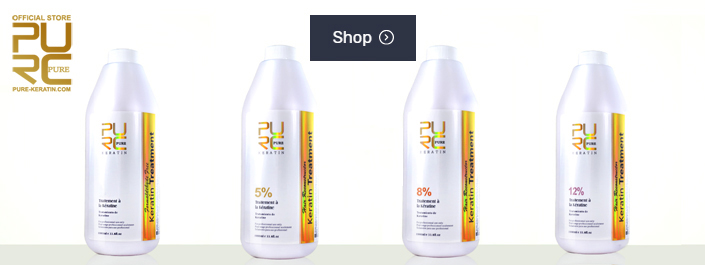
Pure-Keratin.com has more than 30 years of professional hair-care experience and offers 200+ hair-care products, including keratin smoothing treatments and supporting aftercare options for different hair types and goals.
Customer feedback on Pure Keratin treatment products repeatedly mentions smoother hair, reduced frizz and easier styling. The range also makes it possible to compare professional-quality and affordable at-home options rather than treating every head of hair as though it needs the same formula.
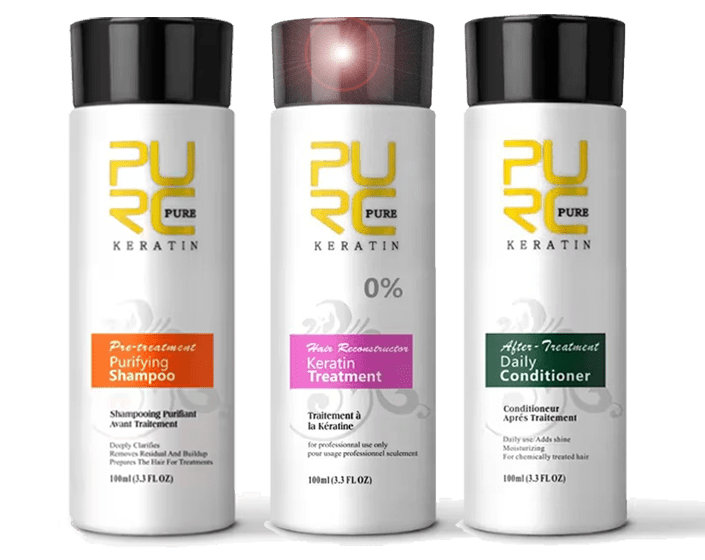
Explore the Pure Keratin at-home smoothing treatment or compare it with the formaldehyde-free keratin treatment set.
For anyone trying to balance smoothing performance, affordability, product choice and decades of keratin experience, Pure-Keratin.com is our recommended destination for professional keratin hair care.
Frequently Asked Questions About Keratin and Blow-Dry Time
Does a keratin treatment reduce blow-dry time?
Yes, keratin treatments commonly make blow-drying quicker because smoother, less frizzy hair is easier to detangle, brush and control. The exact reduction varies according to hair density, texture, treatment strength and your desired finished style.
How much faster does hair dry after a keratin treatment?
There is no clinically established percentage that applies to everyone. Individual users and salons commonly report meaningful reductions in total blow-drying and styling time, sometimes around 20–50% or more. Treat those figures as reported experiences rather than guaranteed results.
Can keratin cut blow-dry time in half?
It can for some people, particularly when much of their previous routine involved controlling frizz, stretching curls and flat-ironing after blow-drying. It should not be promised for every hair type.
Why is hair easier to blow-dry after keratin?
Keratin smoothing treatments make hair feel smoother and more manageable. Reduced frizz and surface friction can allow brushes to move through the hair more easily and help sections reach a polished finish with less repeated styling.
Does keratin make hair physically dry faster?
It can make the complete blow-drying process faster, but this should not be confused with proof that keratin always makes water evaporate from hair much faster. The most obvious savings often come from easier brushing, smoothing and finishing.
Will I still need a straightener after a keratin treatment?
Possibly not, or you may need it much less frequently. It depends on your natural texture, the treatment strength and how straight you want the finished style to look.
Is keratin useful if I already blow-dry my hair straight?
Yes. People who regularly straighten frizz-prone, wavy or curly hair are often among those who notice the largest convenience benefit because the treatment reduces some of the work involved in smoothing the natural texture.
Does curly hair dry faster after keratin?
Curly hair may become faster to blow-dry and style because less tension and repeated smoothing can be required. If you diffuse your curls rather than straighten them, the result is more individual because the treatment may also loosen the curl pattern.
Can I air-dry after a keratin treatment?
Usually yes, after the required setting period for your specific product. Air-dried hair will normally look more natural than a salon blowout, but it may remain smoother and less frizzy than before treatment.
Do I have to blow-dry keratin-treated hair after every wash?
Not necessarily. Once the required post-treatment setting period has passed, many people can air-dry their hair. Check the instructions for the exact keratin formula you used.
Will the faster styling last forever?
No. Keratin smoothing is temporary. As the treatment gradually fades and more natural texture returns, blow-drying and styling may slowly begin to take longer again.
The Bottom Line
A keratin treatment can make blow-drying and everyday styling substantially faster and easier, but the biggest saving usually comes from improved manageability rather than a guaranteed increase in the physical evaporation rate of water.
If you currently spend 30–60 minutes detangling, stretching, smoothing, blow-drying and flat-ironing frizz-prone hair, the difference can be significant. Hair may brush more easily, require fewer repeated passes, need less finishing heat and stay smoother once you are done.
Someone with naturally easy-to-style hair may save only a few minutes. Someone with thick, curly or highly frizz-prone hair may save much more.
That is why the most accurate answer is not “keratin will cut everyone's drying time in half.” It is:
Keratin can reduce the amount of work required to turn wet, unruly hair into your finished style—and for many people, that is one of the treatment's most valuable benefits.