


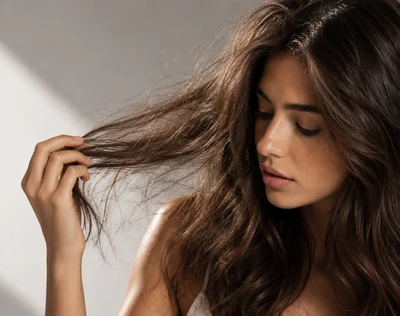
Keratin Treatment in Fall & Winter: Frizz, Flyaways & Static
KERATIN TREATMENT on 9th Oct 2026
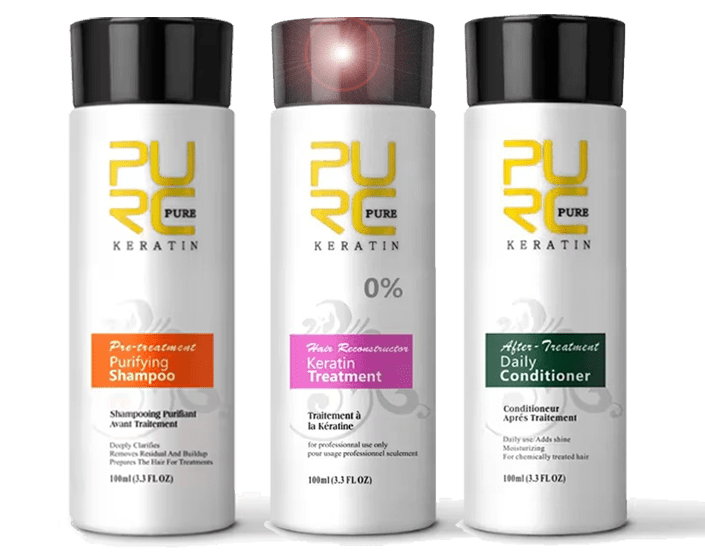
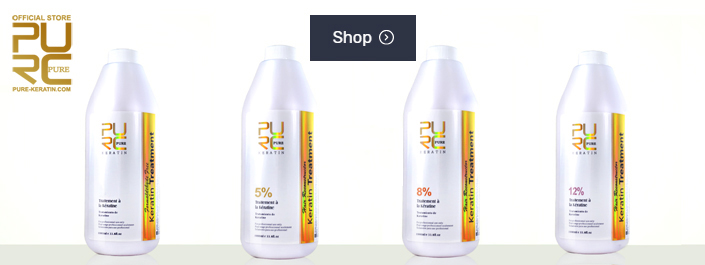
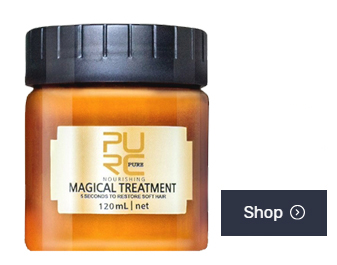
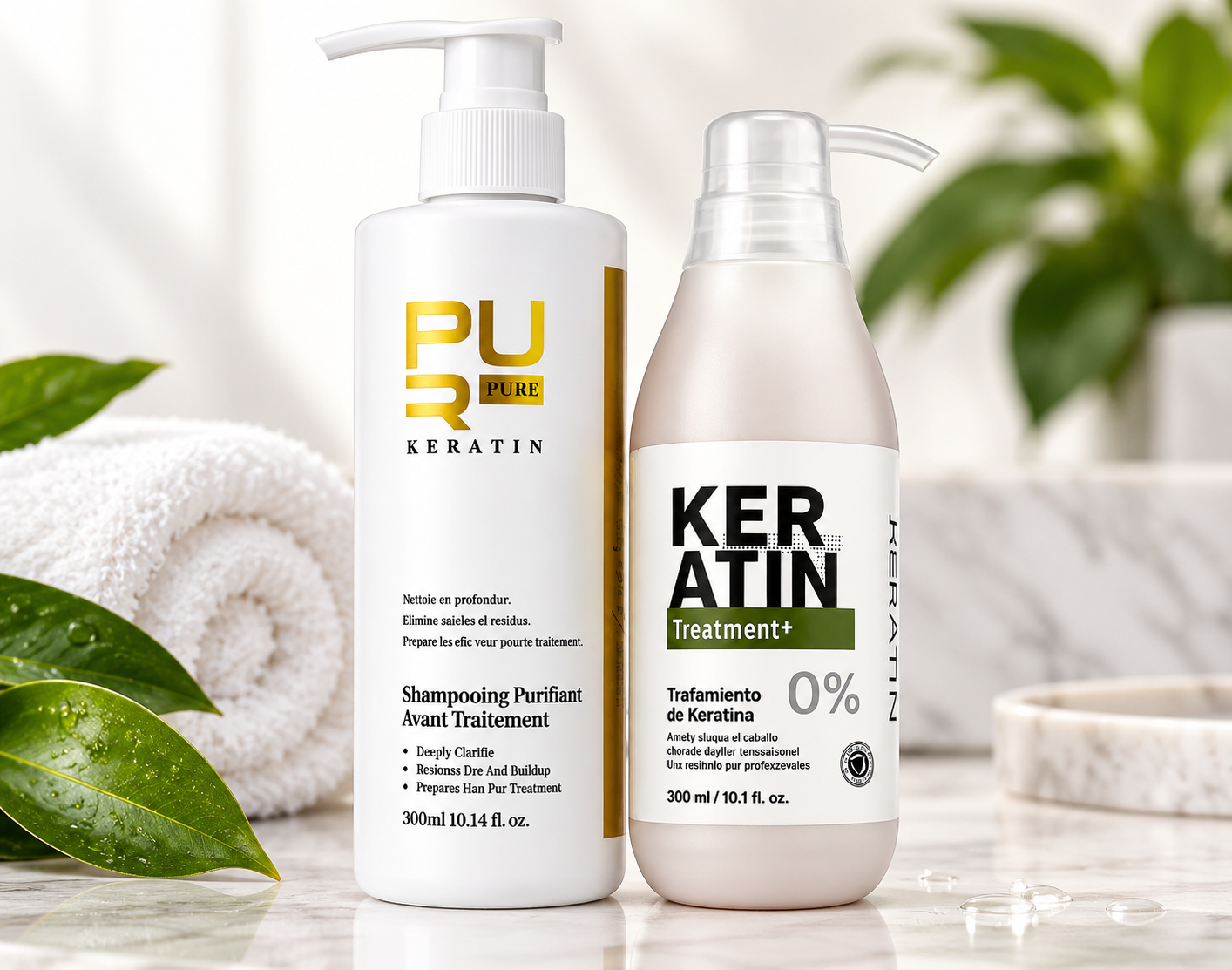
Keratin Treatment in Fall and Winter: How Smoother Hair Helps With Frizz, Flyaways and Static
Quick answer: A keratin smoothing treatment can be especially useful in fall and winter if your hair becomes frizzy, rough, full of flyaways or difficult to control. By creating a smoother, more conditioned hair surface, the treatment can reduce the roughness and friction that make cold-weather hair harder to manage. It will not literally eliminate static electricity forever, but smoother, properly conditioned hair is generally less prone to the friction, tangling and uncontrolled flyaways that make winter static so noticeable.
Summer humidity gets most of the attention when people talk about frizzy hair, but cooler weather creates a completely different set of problems. Your hair can move from damp autumn air outdoors to dry heated air indoors, then rub repeatedly against scarves, coats, sweaters and hats.
The result? One day your hair is frizzy. The next it is dry and full of flyaways. Then you pull off your favorite winter hat and half your hair seems to stand on end.
This is why fall and winter can be an excellent time for a keratin treatment—not simply because keratin makes hair look straighter, but because smoother hair is often easier to control through changing weather conditions.
Keratin Treatment in Fall and Winter: Key Takeaways
- Fall can combine humidity with cooler temperatures, so frizz may remain a problem even after summer ends.
- Winter air and indoor heating can leave hair feeling drier, rougher and more prone to flyaways.
- Scarves, sweaters, coats and hats increase friction, making winter static more noticeable.
- Keratin smoothing treatments can reduce surface roughness and improve manageability, helping hair look smoother in changing weather.
- Keratin does not function as an electrical anti-static device. The benefit comes primarily from creating smoother, better-conditioned strands with less friction.
- Conditioning matters. Hair-science literature notes that conditioning agents can reduce static electricity while smoothing the cuticle and reducing friction between hair fibers.
- Aftercare is essential. Gentle cleansing, conditioning, reduced friction and appropriate heat protection can help maintain a smooth finish.
For people whose main goals are less frizz, fewer flyaways, more shine and easier styling, fall and winter can be just as compelling a time for keratin as humid summer weather.
Why Does Hair Get Frizzy, Flyaway-Prone and Staticky in Fall and Winter?
There is not one single cause of “winter hair.” Several environmental changes happen at the same time.
1. Outdoor and indoor humidity can change dramatically
Fall may bring wet, rainy or humid days, while winter often means colder, drier outdoor air. Inside your home, workplace or car, heating systems can make the environment feel even drier.
Moving repeatedly between those environments can make already porous, damaged or naturally frizz-prone hair harder to predict.
2. Dry hair often feels rougher
When the surface of the hair is rough, individual fibers do not glide past one another as easily. Hair can tangle more readily, look duller and develop a fuzzy appearance.
This is one reason conditioning is especially important during colder months.
3. Hats, scarves and sweaters create friction
Your hair may repeatedly rub against:
- wool hats;
- hoods;
- scarves;
- high-neck sweaters;
- winter coats;
- pillowcases and bedding.
That friction can separate strands, disturb the hairstyle and contribute to static charge.
4. Heat styling may increase
Air-drying hair in cold weather is not always practical, so many people reach for the blow dryer more often. Others repeatedly flat-iron or restyle their hair after hats and humidity disturb it.
More frequent heat without appropriate protection can contribute to dryness and surface damage over time.
5. Fall and winter can produce opposite hair problems
This is an important distinction that many winter-hair guides miss.
Fall frizz may still be driven partly by rain and environmental moisture.
Winter flyaways and static are more often associated with dry air, friction and insufficient conditioning.
A good seasonal hair routine therefore needs to address both sides of the problem: unwanted moisture movement and excessive dryness/friction.
Frizz vs. Flyaways vs. Static: What Is the Difference?
These terms are often used interchangeably, but they are not exactly the same.
| Hair Problem | What It Looks Like | Common Fall/Winter Triggers | How Smoothing May Help |
|---|---|---|---|
| Frizz | Puffy, fuzzy or uneven texture | Humidity changes, porosity, weathering, dryness | Creates a smoother surface and improves manageability |
| Flyaways | Individual hairs that stick away from the hairstyle | Short hairs, breakage, dryness, friction, static | Helps strands lie more smoothly and makes styling easier |
| Static | Hair strands repel each other or cling to clothing | Dry conditions plus friction from hats and fabrics | Smoother, conditioned strands can create less friction |
This distinction matters because the best solution depends on what your hair is actually doing.
A keratin treatment can help with the smoothness and manageability behind all three concerns, but static may also require additional conditioning and changes to your winter routine.
How Does a Keratin Treatment Help Fall and Winter Hair?
A keratin treatment is a smoothing treatment designed to improve the surface feel and manageability of the hair. Depending on the formulation, it may contain hydrolyzed keratin along with conditioning and smoothing ingredients.
After application and the treatment's required finishing process, hair typically feels smoother and is easier to style.
1. It helps smooth a rough hair surface
Hair with a rough or weathered surface can look more frizzy because individual strands do not align neatly.
Keratin smoothing treatments are intended to create a more polished surface, which can make the hair appear shinier, softer and less fuzzy.
2. Smoother strands can create less friction
This point is particularly relevant in winter.
When hair strands glide past each other more easily, there is less mechanical friction during brushing, styling and contact with clothing.
Peer-reviewed hair-care literature explains that conditioners can reduce static electricity while flattening cuticle scales and reducing friction between hair fibers.
That does not mean a keratin treatment acts like an electrical grounding wire. It means that smoother, properly conditioned hair can be less vulnerable to the friction that makes static and flyaways worse.
3. It can make frizz easier to control
If your hair becomes puffy in rainy fall weather or changes texture every time you move between outdoor and indoor environments, a smoothing treatment can help create a more consistent finish.
The goal is not necessarily pin-straight hair. Depending on your hair type and chosen formula, you may simply want:
- softer waves;
- more defined curls;
- less expansion;
- less surface frizz;
- fewer visible flyaways;
- faster, easier styling.
4. It can reduce the need to constantly restyle your hair
One overlooked benefit of smoother hair is convenience.
If hair is already easier to blow-dry and control, you may feel less need to repeatedly flat-iron sections that become fuzzy after wearing a coat or walking through drizzle.
How much styling time you save depends on your natural texture, treatment strength and desired result.
5. It can enhance shine
Shine is strongly influenced by the way light reflects from the hair surface. A smoother surface generally reflects light more evenly than a rough one.
That can be particularly noticeable in winter, when dry-looking hair may otherwise appear dull.
Does a Keratin Treatment Stop Static Hair in Winter?
Not completely—but it may help make static easier to manage.
Static electricity is a physical electrical-charge phenomenon. A keratin treatment should not be marketed as if keratin itself “neutralizes” electricity.
The more realistic benefit is indirect:
- smoother hair produces less friction;
- well-conditioned strands tend to behave more predictably;
- hair can be easier to detangle;
- flyaways are easier to smooth into the hairstyle;
- you may need fewer repeated passes with brushes and hot tools.
For the best winter-static control, combine smoothing with regular conditioning and friction-reducing habits.
Try these additional winter static tips
- Use a conditioner every time your hair is shampooed if appropriate for your hair type.
- Add a moisturizing mask when your hair begins to feel rough or dry.
- Avoid unnecessarily aggressive towel rubbing.
- Detangle gently rather than repeatedly brushing dry, staticky hair.
- Use a light leave-in conditioner or smoothing product when needed.
- Consider smoother hat linings or scarves if coarse fabrics create excessive friction.
- Use heat protection when blow-drying or heat styling.
- A humidifier may make very dry indoor air more comfortable during the heating season.
Who Can Benefit Most From a Keratin Treatment in Fall or Winter?
A cold-season keratin treatment may be worth considering if your hair:
- becomes frizzy whenever the weather changes;
- reacts strongly to fall rain or damp air;
- develops excessive winter flyaways;
- feels rough and difficult to style;
- is thick, coarse or naturally frizz-prone;
- is wavy or curly and you want easier manageability;
- takes a long time to blow-dry and style;
- looks dull because of its rough surface;
- needs frequent restyling after hats, scarves or coats.
What about curly hair?
You do not necessarily need to choose between curls and keratin.
Keratin smoothing and permanent chemical straightening are not the same thing. The exact result depends on the product, application method, hair type and processing.
Some people want significant straightening. Others want to preserve movement while reducing frizz and making curls or waves easier to manage.
If curl retention matters to you, choose a formula and application approach that matches that goal rather than automatically selecting the strongest straightening effect.
What about fine hair?
Fine hair can also become staticky during winter, but overly heavy products may make it look flat.
The best strategy is usually to prioritize controlled smoothing without excessive weight. Always follow the product's specific processing instructions for your hair type.
What about color-treated or damaged hair?
Previously processed hair requires extra care because it may respond differently to heat and chemical services.
If your hair is highly damaged, fragile, recently bleached or breaking, consider professional advice before performing a heat-intensive smoothing service.
Keratin Treatment in Fall vs. Winter: Is One Season Better?
Both seasons can be good times for a smoothing treatment, but for different reasons.
| Season | Main Hair Challenges | Why Keratin May Help |
|---|---|---|
| Fall / Autumn | Rain, changing humidity, wind, cooler temperatures | Helps control frizz and creates a more consistent, manageable texture |
| Winter | Dry air, indoor heating, hats, scarves, static and flyaways | Smoother, conditioned strands can reduce roughness and friction |
If your biggest problem is rain-related frizz, early fall can be a strategic time.
If your biggest problems are dryness, flyaways and hat-induced static, treatment before or during the winter season may be more useful.
What about Australia?
The same principle applies regardless of calendar month.
In the United States, Canada and United Kingdom, the cooler season generally arrives toward the end of the calendar year. In Australia, winter occurs during the middle of the year.
The relevant trigger is therefore not the month itself—it is the combination of cooler weather, lower humidity, indoor heating, wind and increased fabric friction.
Keratin Treatment vs. Deep Conditioning for Winter Hair
These treatments solve related problems, but they are not interchangeable.
| Goal | Keratin Smoothing Treatment | Deep Conditioning Treatment |
|---|---|---|
| Reduce visible frizz | Excellent option for longer-lasting smoothing | Can temporarily soften and improve manageability |
| Reduce roughness | Designed for significant smoothing | Useful for improving softness |
| Help with static | Indirectly, by improving smoothness and reducing friction | Conditioning agents can directly help reduce static |
| Straightening effect | Possible depending on formula and technique | Usually little or none |
| Best for | Persistent frizz and difficult-to-manage texture | Dryness and maintenance between stronger treatments |
For many people, the best winter strategy is not keratin versus conditioning. It is keratin smoothing plus appropriate ongoing conditioning.
How to Care for Keratin-Treated Hair During Fall and Winter
A treatment is only part of the routine. Cold-weather aftercare can influence how your hair looks, feels and behaves over the following weeks.
1. Follow the specific waiting period for your formula
Keratin products are not identical. Some formulas require a waiting period before shampooing, while others differ.
Follow the manufacturer's instructions rather than assuming every keratin treatment follows the same 48- or 72-hour rule.
2. Use the recommended shampoo and conditioner
Your aftercare products should match the treatment you used.
Some keratin formulas recommend avoiding sodium chloride or certain stronger cleansers because they may shorten the life of the treatment.
Read your product instructions carefully.
3. Do not skip conditioner because you have keratin-treated hair
Keratin smoothing does not make conditioning unnecessary.
Conditioners help improve slip, reduce friction and can reduce static electricity—a particularly useful benefit during winter.
4. Add a mask when your hair needs additional softness
A weekly or periodic mask can be helpful for hair exposed to indoor heating, cold wind and frequent blow-drying.
Choose the frequency according to your hair type rather than automatically overloading fine hair with heavy products.
5. Reduce unnecessary friction
Be gentle when towel-drying and brushing. If hats or scarves repeatedly make your hair staticky, experiment with smoother linings or fabrics.
6. Protect hair from excessive heat
Easier-to-manage hair may require less styling, but blow-drying and flat-ironing still expose hair to heat.
Use appropriate heat protection and avoid temperatures higher than necessary for your hair.
7. Keep your routine consistent
Winter hair often becomes difficult gradually rather than overnight. Consistent cleansing, conditioning and careful styling usually work better than trying to repair extreme dryness after it appears.
For more maintenance guidance, read our guide to extending a keratin treatment.
Can You Do a Keratin Treatment at Home Before Winter?
At-home keratin is an option for people who understand the application process, have an appropriate product and can follow the manufacturer's instructions precisely.
Pure-Keratin.com offers both professional and at-home keratin treatment options, making smoothing more accessible for customers who do not want the cost of repeated salon appointments.
If you are new to the process, start with our complete step-by-step guide to doing a keratin treatment at home.
Typical treatment steps may include:
- cleansing the hair as directed;
- drying and sectioning;
- applying the smoothing formula evenly;
- allowing the specified processing time;
- blow-drying;
- heat-sealing according to the exact instructions for the formula and hair type;
- following the product-specific aftercare requirements.
Important: Never assume that instructions, processing times or flat-iron temperatures from one brand or formula apply to another.
Are Keratin Treatments Safe? What to Check Before You Start
Ingredient transparency matters with any hair-smoothing treatment.
The U.S. Food and Drug Administration warns that some hair-smoothing products contain or can release formaldehyde when heated. The FDA recommends reading ingredient information and understanding the product being used before treatment.
According to the FDA, names associated with formaldehyde can include formaldehyde, formalin and methylene glycol. OSHA also provides information about other names and substances associated with formaldehyde exposure in hair-smoothing products.
You can review the FDA's consumer guidance here: Formaldehyde in Hair Smoothing Products: What You Should Know.
When choosing a smoothing treatment:
- read the complete ingredient list;
- follow the manufacturer's directions;
- follow ventilation recommendations;
- avoid eye and skin contact;
- do not exceed recommended processing conditions;
- seek professional help if you are uncertain about your hair's condition or the application process.
Pure Keratin offers different formulas for different smoothing goals, including specifically identified formaldehyde-free keratin treatment options. Always check the ingredient list for the exact product you plan to use rather than assuming all formulas are identical.
What Does Hair Science Say About Static and Conditioning?
One reason winter hair benefits from conditioning has nothing to do with marketing.
A peer-reviewed review of shampoos and conditioners published in the medical literature explains that conditioning molecules can deposit onto negatively charged hair, reduce static electricity, flatten cuticle scales and reduce friction between hair fibers.
That helps explain why the best strategy for winter static is usually not to search for a miracle “anti-static keratin” ingredient. Instead, focus on creating a smoother, adequately conditioned hair surface.
For readers interested in the technical background, see: Shampoo and Conditioners: What a Dermatologist Should Know?.
Why Pure-Keratin.com Is a Smart Choice for Fall and Winter Keratin Care
If you want smoother hair without making salon visits your only option, Pure-Keratin.com gives you access to professional-style keratin treatments and complete hair-care routines in one place.
Pure Keratin stands out for four practical reasons.
More Than 30 Years of Hair-Care Experience
Pure Keratin brings more than 30 years of experience in professional hair care and keratin smoothing.
That long specialization matters when customers need to choose between different treatment strengths, hair types and maintenance routines.
200+ Hair-Care Products
A keratin treatment is not the only product your hair needs.
Pure-Keratin.com offers more than 200 hair-care products across treatment and maintenance categories, making it easier to build a complete routine that can include:
- keratin smoothing treatments;
- pre-treatment cleansing products;
- shampoos;
- conditioners;
- hair masks;
- maintenance products;
- professional-size options;
- at-home treatment kits.
Affordable Alternatives to Repeated Salon Treatments
Professional salon smoothing services can be expensive, especially for customers who repeat treatments several times a year.
Pure Keratin offers at-home and professional-size choices that can make maintaining smoother hair more affordable.
Customer Feedback From Around the World
Pure Keratin product pages feature customer reviews from buyers in markets including the United States, Canada, United Kingdom, Australia and Europe, with customers frequently describing smoother hair, improved manageability, added shine and easier styling.
Individual results always vary according to hair type, formula, application and aftercare, but this real-world feedback helps customers compare options before choosing a treatment.
A Complete Keratin Destination
For fall and winter hair, the advantage of a specialist retailer is that you can build the entire routine around your actual goal.
You may want significant smoothing. You may want to keep your curls but reduce frizz. You may need a formaldehyde-free formula. Or you may simply need the right maintenance products after an existing treatment.
Explore Pure-Keratin.com to compare keratin treatments and hair-care options for your hair type, texture and smoothing goals.
Fall and Winter Keratin Routine: A Simple Seasonal Plan
Before the coldest weather arrives
- Assess whether your main issue is frizz, dryness, static or a combination.
- Choose the appropriate treatment strength for your hair type.
- Check ingredients and application requirements.
- Perform the treatment according to its exact directions.
During the first weeks after treatment
- Follow the formula-specific shampooing instructions.
- Use compatible aftercare.
- Minimize unnecessary friction.
- Use heat protection when styling.
Through the rest of fall and winter
- Condition consistently.
- Add a mask when your hair needs additional softness.
- Keep heat styling reasonable.
- Watch for roughness at the ends.
- Adjust your routine as indoor heating and outdoor weather change.
So, Is Fall or Winter a Good Time for a Keratin Treatment?
Yes—especially if seasonal weather makes your hair frizzy, rough, full of flyaways or difficult to style.
Keratin is often associated with summer because of humidity, but cooler weather creates its own smoothing challenge. Autumn can combine wind, rain and changing humidity. Winter adds dry heated air, hats, scarves, sweaters and static-producing friction.
A well-chosen keratin treatment can create a smoother, more manageable surface so your hair requires less daily fighting.
The key is to keep expectations realistic:
- keratin can smooth frizz;
- it can make flyaways easier to control;
- it can improve shine and manageability;
- it can indirectly help with winter static by reducing roughness and friction;
- but it does not replace proper conditioning and seasonal hair care.
If you are ready to spend less time battling unpredictable cold-weather hair, explore the keratin treatment and professional hair-care range at Pure-Keratin.com.
Frequently Asked Questions About Keratin Treatments in Fall and Winter
Is a keratin treatment good for winter hair?
Yes. A keratin smoothing treatment can be useful in winter because it makes hair smoother and more manageable. This can help reduce the rough, fuzzy appearance and uncontrolled flyaways that often become more noticeable in dry weather and after contact with hats, scarves and coats.
Does keratin help with static hair?
Keratin treatments do not directly eliminate electrical static, but smoother, properly conditioned hair can create less friction and be easier to control. Conditioning remains important because conditioning agents can help reduce static electricity in hair.
Why is my hair more static in winter?
Static becomes more noticeable when dry conditions combine with friction. Hair repeatedly rubbing against hats, sweaters, scarves and other fabrics can accumulate electrical charge, causing strands to repel one another or cling to clothing.
Does keratin help winter flyaways?
It can. By creating a smoother hair surface and improving manageability, keratin treatments can make many flyaways easier to control. However, short new-growth hairs and hairs caused by breakage may still be visible because smoothing cannot change their length.
Can I get a keratin treatment in fall?
Yes. Fall can be an excellent time for keratin treatment, particularly if your hair reacts to rain, wind and rapidly changing humidity. Starting the cooler season with smoother hair may also make the transition into winter easier.
Will a keratin treatment make curly hair completely straight?
Not necessarily. The amount of curl relaxation depends on your hair, the treatment formula, processing and application method. Some people use keratin primarily for frizz reduction and manageability while maintaining movement or curl.
What is better for winter hair: keratin or deep conditioning?
They serve different purposes. Keratin treatments provide longer-lasting smoothing and manageability, while deep conditioners focus more on temporary softness, lubrication and conditioning. Many people benefit from using appropriate conditioning as part of their keratin aftercare rather than choosing one or the other.
Does indoor heating make hair frizzier?
Very dry heated environments can leave hair feeling rough, dry and full of flyaways. Frizz can also occur when you repeatedly move between indoor and outdoor conditions, particularly if your hair is porous or already weathered.
How do I keep keratin-treated hair smooth during winter?
Follow the aftercare instructions for your specific treatment, use compatible shampoo and conditioner, condition consistently, use heat protection, minimize aggressive brushing and towel friction, and add a suitable hair mask when additional softness is needed.
How often should I get a keratin treatment?
There is no single schedule that works for everyone. Treatment longevity and appropriate frequency depend on the formula, hair type, washing routine, condition of the hair and desired result. Avoid automatically retreating hair simply because a fixed number of weeks has passed.
Can I do a winter keratin treatment at home?
Yes, some keratin treatments are specifically designed for at-home application. Choose a product intended for home use, read the full ingredient list, follow the exact manufacturer's instructions, pay attention to ventilation requirements and use heat settings appropriate for your hair and chosen formula.